
ម្ចាស់ជំនួយ៖ Forumciv
គម្រោង៖ ការអភិរក្សជលផលដោយសហគមន៍នេសាទទន្លេមេគង្គ និងដៃទន្លេក្នុងខេត្តស្ទឹងត្រែង ប្រទេសកម្ពុជា
កាលបរិច្ឆេទ៖ 2021

By: giant
ម្ចាស់ជំនួយ៖ Forumciv
គម្រោង៖ ការអភិរក្សជលផលដោយសហគមន៍នេសាទទន្លេមេគង្គ និងដៃទន្លេក្នុងខេត្តស្ទឹងត្រែង ប្រទេសកម្ពុជា
កាលបរិច្ឆេទ៖ 2021
ជាផ្នែកមួយនៃការលើកកម្ពស់ការយល់ដឹងដល់សមាជិកសហគមន៍អំពីព្រំប្រទល់អន្លង់អភិរក្ស នៅឆ្នាំ២០២១ យុវជនបានសហការជាមួយអាជ្ញាធរមូលដ្ឋានឃុំសាមឃួយ ដើម្បីដំឡើងផ្លាកសញ្ញាព្រំប្រទល់អន្លង់អភិរក្សយាយអ៊ី ក្នុងភូមិស្រែតាប៉ាន ឃុំសាមឃួយ ស្រុកសេសាន ខេត្តស្ទឹងត្រែង ដែលមានការចូលរួមពី សមាជិកក្រុមប្រឹក្សាឃុំសាមឃួយ ប៉ូលិសឃុំសាមឃួយ និងតំណាងយុវជនភូមិស្រែតាប៉ាន។ ក្រោមជំនួយខ្នាតតូចរបស់អង្គការ Forumciv គណៈកម្មការសហគមន៍នេសាទភូមិស្រែតាប៉ាន បានស្នើនូវសកម្មភាពមួយចំនួន ដើម្បីធ្វើការផ្សព្វផ្សាយការយល់ដឹងដល់សមាជិកសហគមន៍អំពីព្រំប្រទល់តំបន់អភិរក្សរបស់ពួកគេ ពីព្រោះនៅក្នុងតំបន់អភិរក្សមិនត្រូវបានអនុញ្ញាតិឱ្យធ្វើការនេសាទទេ ប្រសិនបើនរណាម្នាក់ធ្វើនេសាទក្នុងតំបន់អន្លង់អភិរក្សនឹងត្រូវពិន័យដោយគណៈកម្មការសហគមន៍តាមលក្ខន្តិកៈសហគមន៍នេសាទ។
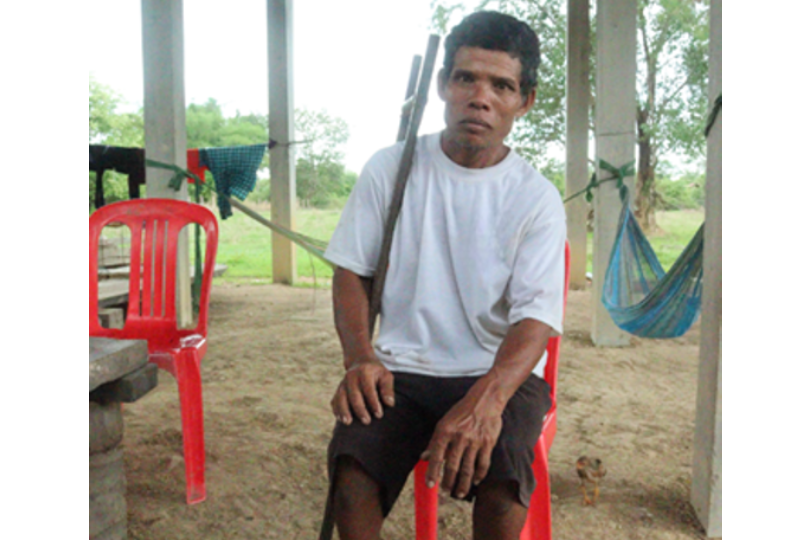
In the quiet village of Krom, nestled along the Mekong River in Stung Treng province, 46-year-old Mr. Son Bai lives with his wife and daughter in a modest household with no electricity or reliable water supply. A person with disability, his livelihood depends on farming, forestry, and fishing—activities that have grown increasingly difficult as local ecosystems deteriorate. Once residing on an island with abundant fish stocks, declining catches and weakened physical health forced Bai to relocate to the mainland, where fishing trips are longer and more strenuous.
Despite these challenges, Mr. Bai emerged as an active contributor to the IP2 project implemented by My Village Organization (MVi). His firsthand knowledge and experience became vital in shaping inclusive dialogue around cross-boundary river ecology and fisheries management.
During a community meeting focused on environmental changes, Mr. Bai shared insights on shifting fishing practices and ecological impacts in the Mekong. He later participated in a household interview, providing detailed accounts of declining fish stocks and the economic strain on his family. Recognizing the value of his voice, MVi invited him to a regional dissemination workshop—where he engaged directly with local authorities and other stakeholders.
This rare opportunity allowed Bai to express the lived reality of marginalized fishers with disabilities. His perspectives helped bridge the gap between community members and policymakers, calling attention to the pressing need for inclusive approaches to water governance and natural resource protection.
Through his involvement, Mr. Bai not only amplified the concerns of his community but also demonstrated how persons with disabilities can contribute meaningful insights to environmental decision-making. His story reminds us that inclusion isn’t just a principle—it’s a necessity for sustainable, equitable resource management.

ម្ចាស់ជំនួយ៖ USAID
គម្រោង៖ សកម្មភាពយុវជន ដើម្បីការអភិរក្សបរិស្ថាន និងជីវចម្រុះ
ការបណ្តុះបណ្តាលស្តីអំពី៖ ការបណ្តុះបណ្តាលស្តីអំពី៖ ការកាត់បន្ថយការប្រើប្រាស់ និងបរិភោគសាច់សត្វព្រៃ
កាលបរិច្ចេទ៖ ថ្ងៃទី២៤ ខែកក្តដា – ១០ កញ្ញា ឆ្នាំ ២០២២
ការបរបាញ់ ការដាក់អន្ទាក់សត្វព្រៃខុសច្បាប់ គឺជាការគំរាមកំហែងដ៏ធំបំផុត ចំពោះសត្វព្រៃនៅប្រទេសកម្ពុជា។ តាំងពីដើមមកសាច់សត្វព្រៃ ត្រូវបានគេយល់ថាមានជីជាតិ មានឱជារស ប៉ូវកម្លាំង និងព្យាបាលជំងឺនានា តែផ្ទុយទៅវិញ ប្រសិនបើវិធីក្នុងការស្តុកទុក និងចម្អិនសាច់សត្វព្រៃមិនបានត្រឹមត្រូវ ជាកត្តាដែលអាចបង្ករគ្រោះថ្នាក់យ៉ាងខ្លាំងដល់ជីវិតអ្នកដែលប៉ះពាល់ សាច់ឆៅ និងអ្នកទទួលទានសាច់ទាំងនោះ។ កត្តាទាំងអស់នេះហើយ ដែលបណ្តាលឲ្យតម្រូវការសាច់សត្វព្រៃមានការកើនឡើង ដែលជម្រុញឲក្យមានសកម្មភាពនៃការបរបាញ់ និងដាក់អន្ទាក់ ដើម្បីផ្គត់ផ្គង់ទីផ្សារ និងតម្រូវការអ្នកហូប ឬទិញសាច់សត្វព្រៃ បើនៅមានអ្នកបរិភោគសាច់សត្វព្រៃ នោះសត្វព្រៃតែបន្តបាត់បង់ និងត្រូវបានសម្លាប់។ សត្វព្រៃមានតួនាទីសំខាន់ណាស់ ក្នុងខ្សែចង្វាក់ចំណីអាំហារក្នុងប្រព័ន្ធអេកូឡូស៊ីព្រៃឈើ។ ករណីមួយទៀត គឺជង្ងឺផ្លូវដង្ហើមកូវីដ-១៩ តាំងពីឆ្នាំ ២០១៩ បានឆក់យកជីវិតមនុស្សរាប់លាននាក់នៅទូទាំងពិភពលោក ក៏ត្រូវបានអ្នកវិទ្យាសាស្រ្តនៅអង្គការសុខភាពពិភពលោក សន្និដ្ឋានថា កើតពីសត្វប្រជៀវ និងសត្វប៉េងកូលីននៅតំបន់អាស៊ីអាគ្នេយ៍។
តាមរយៈបញ្ហាខាងលើ អង្កការភូមិខ្ញុំ បានធ្វើការរៀបចំវគ្គបណ្តុះបណ្តាលស្តីពី៖ ការកាត់បន្ថយការប្រើប្រាស់ និងបរិភោគសាច់សត្វព្រៃ ទៅដល់យុវជនទាំង ១៣សាលា ក្នុងខេត្តមណ្ឌលគីរី ដែលផ្តល់ជូនយុវជននូវចំណេះដឹងបន្ថែមអំពីផលប្រយោជន៏ និងផលប៉ះពាល់នៃការបាត់បង់សត្វព្រៃ និងដើម្បីផ្លាស់ប្តូរឥរិយាបថវិជ្ជមានក្នុងការជួយអភិរក្សសត្វព្រៃ និងការពារជីវចម្រុះនៅកម្ពុជា។ គោលបំណងវគ្គបណ្តុះបណ្តាលនេះ គឺចង់ចូលរួមចំណែក
ការចូលរួមរបស់យុវជនសរុបមានចំនួន ៣២៩ នាក់ (ស្រ្តី ២០៥) យុវជនជាជនជាតិដើមភាគតិច ១៦៧ នាក់ (ស្ត្រី ១១៧)។ តាមរយៈការធ្វើតេសត្តសាកល្បងសមត្ថភាពយុវជន យើងសង្កេតឃើញថា មុនពេលទទួលបានវគ្គបណ្តុះបណ្តាល យុវជន មានការយល់ដឹងអំពីផលប៉ះពាល់ពីការប្រើប្រាស់ ការបរិភោគសាច់សត្វព្រៃ និងគោលបំណងអំពី SBCC TOOLKIT FOR THEME TOW ស្ថិតនៅក្នុងកម្រិត ខ្សោយ ( ៤៥.៨១ ភាគរយ) និងធម្យម (៤៧.២៦ ភាគរយ) ប៉ុណ្ណោះ។ បន្ថែមពីនេះ មុនពេលវគ្គបណ្តុះបណ្តាល យុវជនស្ម័គ្រចិត្ត ភាគច្រើនដឹងត្រឹមថា ការពារ និងអភិរក្សសត្វព្រៃ គឺដើម្បីកុំឲ្យសត្វព្រៃដាច់ពូជ និងសម្រាប់អ្នកជំនាន់ក្រោយបានស្គាល់សត្វព្រៃយើងប៉ុណ្ណោះ។ ប៉ុន្តែបន្ទាប់ពីទទួលវគ្គបណ្តុះបណ្តាលមួយនេះ ចំណេះដឹងរបស់យុវជនមានការកើនឡើងប្រសើរជាងមុន បើប្រៀបធៀប មុនពេលដែលទទួលបានការបណ្តុះបណ្តាល។ យុវជន ចាប់ផ្តើមមានការយល់ដឹងអំពីផលប៉ះពាល់ពីការប្រើប្រាស់ បរិភោគសាច់សត្វព្រៃ និងវិធីសាស្ត្រក្នុងការប្រើប្រាស់ឧបករណ៍ផ្សព្វផ្សាយ SBCC TOOLKIT THEME TOW ស្ថិតនៅក្នុងកម្រិត ល្អ (៥០.០៥ ភាគរយ) និងល្អណាស់ (៣៦.៨៧ ភាគរយ)។ លើសពី ក្រោយការពេលបញ្ចប់វគ្គបណ្តុះបណ្តាល យុវជន បានយល់ដឹងអំពីអត្ថប្រយោជន៍ជាច្រើនទៀតរបស់សត្វព្រៃ ក្នុងការជួយគាំពារព្រៃឈើ តាមរយៈការលើកស្ទួយវិស័យអេកូទេសចរណ៍ ដែលជាប្រភពចំណូល យ៉ាងសំខាន់សម្រាប់សហគមន៍មូលដ្ឋាន និងយល់ដឹងកាន់តែច្បាស់ថា ការប្រើប្រាស់ និងការបរិភោគសាច់សត្វព្រៃ ពិតជាមានហានិភ័យខ្លាំងណាស់ ចំពោះសុខភាពមនុស្សជាតិ។ ចំណែកវិធីសាស្រ្តដែលអនុវត្តមានជោគជ័យនៅក្នុងវគ្គបណ្តុះបណ្តាលមួយនេះរួមមាន ការពិភាក្សាជាក្រុម ការឡើងធ្វើបទបង្ហាញ ការធ្វើសំណួរចម្លើយរវាងក្រុមនីមួយៗ (Q&A) ការទស្សនាវីដេអូអប់រំខ្លីៗ និងការឡើងសម្តែង (Role Play) ដែលអាចជួយជម្រុញឲ្យយុវជនកាត់បន្ថយភាពខ្មាស់អៀន ឬភ័យខ្លាច និងមានភាពក្លាហានក្នុងការបញ្ចេញមតិ ជាពិសេសការសម្តែងបានជួយអោយយុវជនមានការចងចាំ និងយល់ដឹងបានកាន់តែច្បាស់អំពីវគ្គបណ្តុះបណ្តាលមួយនេះ។
***ចំណាំ៖ សម្រាប់ការដាក់ពិន្ទុ លើការសាកស្បងសមត្ថភាពយុវជន មុន និងក្រោយវគ្គបណ្តុះបណ្តាល គឺប្រើប្រាស់កម្រិតវាយតម្លៃជាប្រាំលេខ ដោយពិន្ទុទាបបំផុតគឺដំណាងឲ្យជាលេខ ១ និងពិន្ទុដែលខ្ពស់បំផុត គឺដំណាងឲ្យលេខ ៥ សូមអរគុណ!
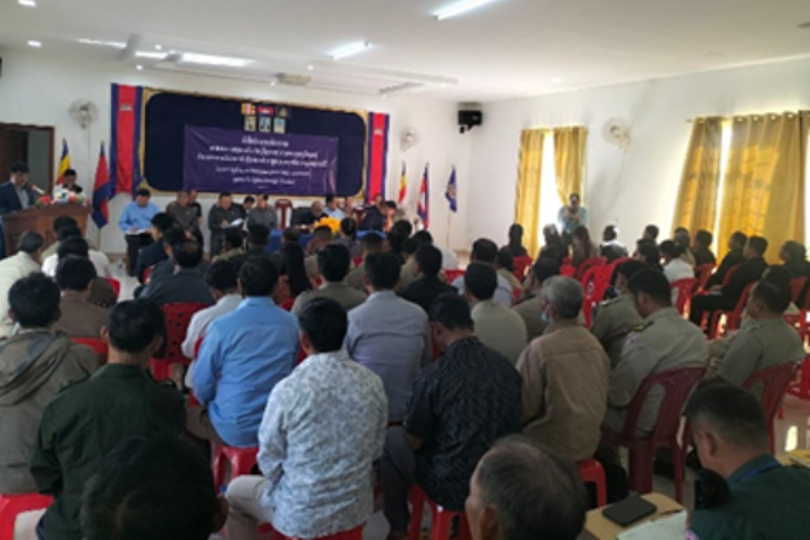
For years, the Punong Indigenous People of Pu Rang village—home to 64 families within the biodiverse Keo Seima Wildlife Sanctuary—have sought formal recognition of their ancestral lands.
Despite submitting applications for 21 parcels spanning 775.83 hectares, their Indigenous Collective Land Title (ICLT) was obstructed by unresolved land disputes with outsiders.
Tensions mounted as delays persisted, leading to discouragement and the threat of community disbandment. Yet in a pivotal moment on June 6, 2024, My Village Organization (MVi), alongside CLEC and CIPO, convened a high-level community meeting with a Ministry of Interior representative. This event reenergized the community’s determination to pursue land justice.
In 2023, MVi supported the Pu Rang community in petitioning the Senate to resolve a long-standing conflict over 255 hectares of contested land.
Their appeal urged intervention from both the Senate and provincial authorities, citing the barriers the dispute posed to securing their ICLT.
Initially met with hesitation due to internal challenges, the community stood firm, exemplifying resilience through organized advocacy.
The momentum continued. On September 19, 2024, the Ministry of Interior convened a multi-stakeholder meeting to gather facts and chart a resolution path. Encouraged to speak directly, Pu Rang representatives presented their grievances and supporting evidence. A follow-up meeting was held on January 31, 2025, signaling increased urgency and attention from national authorities.
Ultimately, Pu Rang’s unwavering efforts bore fruit: the 255-hectare dispute was resolved, clearing a major obstacle in their ICLT process. This victory not only secured their territorial rights but also affirmed the strength of collective voice, legal advocacy, and Indigenous-led mobilization.
The Pu Rang experience stands as a beacon of how perseverance and community solidarity can overcome systemic barriers and protect Indigenous heritage for generations to come.

ម្ចាស់ជំនួយ៖ USAID
គម្រោង៖ សកម្មភាពយុវជន ដើម្បីការអភិរក្សបរិស្ថាន និងជីវចម្រុះ
សកម្មភាពគម្រោង៖ ការបណ្តុះបណ្តាលស្តីអំពី៖ ការផលិតវីដេអូតាមរយៈស្មាតហ្វូត
កាលបរិច្ចេទ៖ ថ្ងៃទី ៣០ ខែកក្តដា – ១១ ខែកញ្ញា ឆ្នាំ ២០២២
ដោយមើលឃើញថាការគម្រាមកំហែងទៅលើព្រៃឈើ សត្វព្រៃ និងជីវចម្រុះ គឺជាបញ្ហាដ៏សំខាន់បំផុតក្នុងតំបន់ទេសភាពភាគខាងកើតនៃប្រទេសកម្ពុជា។ អង្គការភូមិខ្ញុំ ជាអង្គការក្រៅរដ្ឋាភិបាល ដែលអនុវត្តសកម្មភាពជាច្រើន ដើម្បីអភិរក្សធនធានធម្មជាតិតាមរយះការផ្តល់សិទ្ធិអំណាចដល់សហគមន៍ជនជាតិដើមភាគតិចដូចជា សហគមន៍តំបន់ការពារធម្មជាតិ បណ្តាញស្រ្តីជនជាតិដើម្បីភាគតិច និងបណ្តាញយុវជនជនជាតិដើម្បីភាគតិច។
គម្រោង៖ សកម្មភាពយុវជន ដើម្បីការអភិរក្សបរិស្ថាន និងជីវចម្រុះ បានផ្តោតសំខាន់លើការចូលរួមពីយុវជន ដើម្បីបង្កើនសមត្ថភាពនៃការផ្សព្វផ្សាយអំពីព្រៃឈើ សត្វព្រៃ ជីវចម្រុះ និងបរិស្ថាន ឲ្យទូលំទូលាយ ជាពិសេសទៅដល់សហគមន៍មូលដ្ឋានប្រកដដោយប្រសិទ្ធិភាព។
បន្ថែមលើនេះទៅទៀត ដោយមើលឃើញពីសក្តានុពល នៃប្រព័ន្ធផ្សព្វផ្សាយជារូបភាព និងវីដេអូ មានការពេញនិយមខ្លាំងនៅកម្ពុជា ជាពិសេសនៅតាមបណ្តាញសង្គមនានា គម្រោងបានរៀបចំវគ្គបណ្តុះបណ្តាលមួយអំពី “ការផលិតវីដេអូតាមរយៈទូរស័ព្ទស្មាតហ្វូត” សម្រាបយុវជនទាំង ១៣ សាលា ដែលស្ថិតនៅក្នុងតំបន់គោលដៅ នៃខេត្តមណ្ឌលគិរី ដើម្បីយុវជនដែលទទួលបានចំណេះដឹងពីវគ្គបណ្តុះបណ្តាលនេះ យកទៅប្រើប្រាស់ក្នុងការផលិតវីដេអូផ្សព្វផ្សាយនានា ពាក់ព័ន្ធទៅនឹង ការគាំពារ និងអភិរក្ស ព្រៃឈើ សត្វព្រៃ ជីវចម្រុះ និងបរិស្ថាន។ គោលបំណងវគ្គបណ្តុះបណ្តាលនេះ គឺចង់ចូលរួមចំណែក
ការចូលរួមរបស់យុវជនសរុបមានចំនួន ៣២៩ នាក់ (ស្រ្តី ២០៥) យុវជនជាជនជាតិដើមភាគតិច ១៦៧ នាក់ (ស្ត្រី ១១៧)។ តារយៈការធ្វើតេសត្តសាកល្បងសមត្ថភាពយុវជន យើងសង្កេតឃើញថា មុនពេលទទួលបានវគ្គបណ្តុះបណ្តាល យុវជនទាំង ១៣ សាលា ប្រចាំខេត្តមណ្ឌលគីរី មានការយល់ដឹងពីការផលិតវីដេអូអប់រំខ្លីៗ ស្ថិតនៅក្នុងកម្រិត ខ្សោយខ្លាំង (៣៦.៥៤ ភាគរយ) និងខ្សោយ (៤១.១៩ ភាគរយ) ប៉ុណ្ណោះ។ បន្ថែមលើពីនេះទៅទៀត ជាង ៩០ ភាគរយ នៃយុវជន មិនធ្លាប់មានបទពិសោធន៍ ពីការទទួលបានវគ្គបណ្តុះបណ្តាលលើការផលិតវីដេអូ ឬធ្លាប់ផលិតវីដេអូពីមុនមកទេ ដូច្នេះពេលមុនពេលទទួលបានវគ្គបណ្តុះបណ្តាលពីការផលិត វីដេអូតាមរយៈស្មាតហ្វូនពីអង្គការភូមិខ្ញុំ យុវជន គាត់គិតថាការផលិតវីដេអូ គឺផ្តោតសំខាន់ខ្លាំងតែនៅទៅលើកម្មវីធីកាត់តវីដេអូតែប៉ុណ្ណោះ (Application)។
ប៉ុន្តែក្រោយបញ្ចប់វគ្គបណ្តុះបណ្តាលមួយនេះ ចំណេះដឹងរបស់យុវជនមានការកើនឡើងប្រសើរច្រើនជាងមុន បើប្រៀបធៀបជាមួយពេលមិនទាន់ទទួលបានការបណ្តុះបណ្តាល។ យុវជន ចាប់ផ្តើមមានការយល់ដឹងពីការផលិតវីដេអូអប់រំខ្លីៗ ស្ថិតនៅក្នុងកម្រិត ធម្យម (៣៦.៧៩ ភាគរយ) និងល្អ (៤៥.៦៧ ភាគរយ)។ ម៉្យាងវិញទៀត យុវជន បានយល់ច្បាស់ថា៖ ការផលិតវីដេអូ មួយដែលមានគុណភាព ត្រូវផ្តោតសំខាន់ខ្លាំងទៅលើទ្រឹស្តី ជាពិសេសដូចជាការប្រមូលផ្តុំគំនិតសម្រាប់ការផលិតវីដេអូ ការសរសរអត្ថបទវីដេអូ និងការរៀបចំផែនការមុនពេលផលិតវីដេអូ ទើបជាគន្លឺះសំខាន់ៗពិតប្រាកដ ដើម្បីផលិតវីដេអូមួយបានល្អប្រសើរ។ យុវជន បានយល់ដឹងបន្ថែមពីអត្ថប្រយោជន៍របស់វីដេអូអប់រំខ្លីៗ និងសក្តានុពលរបស់បណ្តាញសង្គម ក្នុងការជួយផ្សព្វផ្សាយឲ្យបានកាន់តែទូលំទូលាយទៅកាន់ សហគមន៍មូលដ្ឋាន និងប្រជាជនក្នុងប្រទេស ឲ្យយល់ដឹងកាន់តែច្បាស់ពីស្ថានភាពព្រៃឈើ សត្វព្រៃ ក៏ដូចជាបរិស្ថាន នៅក្នុងប្រទេសកម្ពុជា។
ឆ្លងតាមការបណ្តុះបណ្តាលមួយនេះ យុវជនបានតាំងចិត្តថានឹងព្យាយាមរៀនផលិតវីដេអូអប់រំខ្លីៗ អំពីព្រៃឈើ សត្វព្រៃ និងជីវចម្រុះ ឲ្យបានច្រើន សម្រាប់ចែករំលែកនៅតាមបណ្តាញសង្គមនានា ដើម្បីចូលរួមផ្សព្វផ្សាយ ក៏ដូចជាជួយការពារ និងអភិរក្សសម្បត្តិធម្មជាតិយើងឲ្យបានគង់វង្ស។
***ចំណាំ៖ សម្រាប់ការដាក់ពិន្ទុ លើការសាកស្បងសមត្ថភាពយុវជន មុន និងក្រោយវគ្គបណ្តុះបណ្តាល គឺប្រើប្រាស់កម្រិតវាយតម្លៃជាប្រាំលេខ ដោយពិន្ទុទាបបំផុតគឺដំណាងឲ្យជាលេខ ១ និងពិន្ទុដែលខ្ពស់បំផុត គឺដំណាងឲ្យលេខ ៥ សូមអរគុណ!
The Bounorng Indigenous community of Pu Treng village in Mondulkiri Province, home to 179 households and 733 residents, has long worked to safeguard its ancestral lands within the Keo Seima Wildlife Sanctuary.
Recognized by both the Ministry of Interior and the Ministry of Rural Development, Pu Treng initiated its Indigenous Communal Land Title (ICLT) process in 2012.
The indigneous community submitted formal documentation, including internal statutes, maps, and a recognized management structure, covering 1,338.69 hectares of communal land.
Determined to secure land titles and protect against encroachment, Pu Treng CLT, with support from My Village Organization (MVi) and other CSOs, pushed forward the ICLT process.
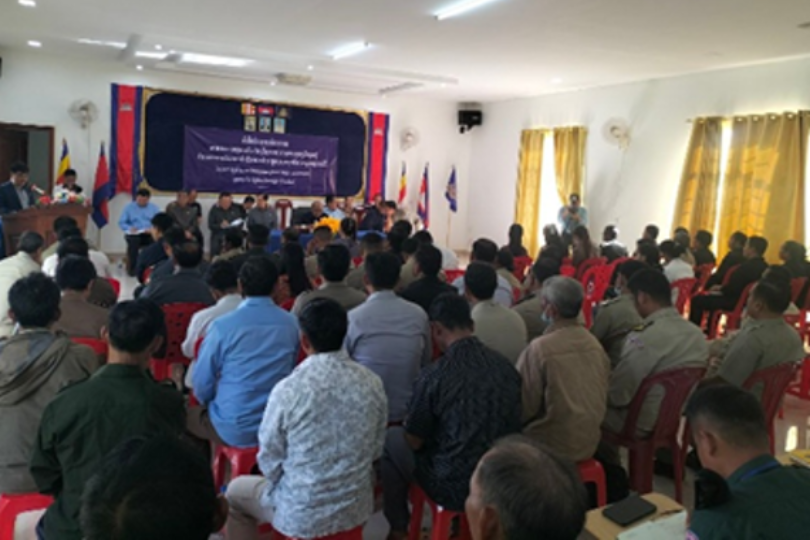
On September 13, 2024, a landmark meeting was held with the governor of Mondulkiri and three key departments—Land Management, Environment, and Forestry & Fisheries—to accelerate the public display for Pu Treng and neighboring Pou Leh communities.
The public display marked a major milestone. Community members carefully reviewed land information for accuracy, identified missing plots, and formally requested their inclusion.
A follow-up discussion on January 15, 2025, with the Department of Land Management addressed these concerns.
To resolve the outstanding issues, MVi in collaboration with other CSOs, committed to assisting the community in verifying the missing land titles.
Responding to this effort, the Department of Land Management scheduled verification of nine remaining plots, starting in April 2025.
អង្គការភូមិខ្ញុំ បានរៀបចំយុទ្ធនាការ ៣ ចម្បង់សំខាន់ៗ រួមមាន៖ ការកាត់បន្ថយការប្រើប្រាស់គ្រឿងសង្ហារិម ដែលផលិតចេញពីឈើប្រណិត ការកាត់នបន្ថយតម្រូវការប្រើប្រាស់ និងបរិភោគសាច់សត្វព្រៃ និងការបញ្ឈប់ការចោលសម្រាមពាសវាលពាសកាល សម្រាប់ធ្វើការផ្សព្វផ្សាយលើ Online Community Center (OCC) Facebook Page ។ យុទ្ធនាការទាំងនេះ ត្រូវបានធ្វើឡើងដើម្បីបង្កើនការយល់ដឹង និងចំណេះដឹងរបស់ប្រជាជនកម្ពុជា អំពីផលប៉ះពាល់អវិជ្ជមាន នៃការប្រើប្រាស់ និងបរិភោគសាច់សត្វព្រៃ ការប្រើប្រាស់គ្រឿងសង្ហារិម ដែលផលិតចេញពីឈើប្រណិត និងការចោលសម្រាមពាសវាលពាសកាល ទៅលើព្រៃឈើ ជីវចម្រុះ បរិស្ថាន និងសុខភាពមនុស្ស និងដើម្បីបង្កើនការចូលរួមរបស់ប្រជាពលរដ្ឋក្នុងការគាំទ្រ និងចាត់វិធានការវិជ្ជមានក្នុងគោលបំណង កាត់បន្ថយការប្រើប្រាស់គ្រឿងសង្ហារិម សាច់សត្វព្រៃ និងការបញ្ឈប់ការចោល សម្រាម។
វីដេអូខាងក្រោមនេះដែរ គឺជាផ្នែកមួយ នៃយុទ្ធនាការ ការកាត់បន្ថយការប្រើប្រាស់គ្រឿងសង្ហារិម ដែលផលិតចេញពីឈើប្រណិត ដែលនឹងបង្ហាញពីអត្ថប្រយោជន៍របស់ព្រៃឈើ ការបំផ្លាញធនធានធម្មជាតិតាមរយៈការប្រើប្រាស់គ្រឿងសង្ហារិមដែលផលិតចេញពីឈើប្រណិត និងការចូលរួមរបស់យុវជន ដើម្បីកាត់បន្ថយការប្រើប្រាស់គ្រឿងសង្ហារិមដែលផលិតចេញពីឈើប្រណិត។
#ទាំងអស់គ្នាដើម្បីព្រៃឈើកម្ពុជា
#និយាយថាទេចំពោះការប្រើប្រាស់គ្រឿងសង្ហារិមដែលផលិតចេញពីឈើប្រណិត
#និយាយថាទេចំពោះការកាប់បំផ្លាញព្រៃឈើ
Facebook Page Link: https://www.facebook.com/OCCMVi
Facebook Name: Online Community Center
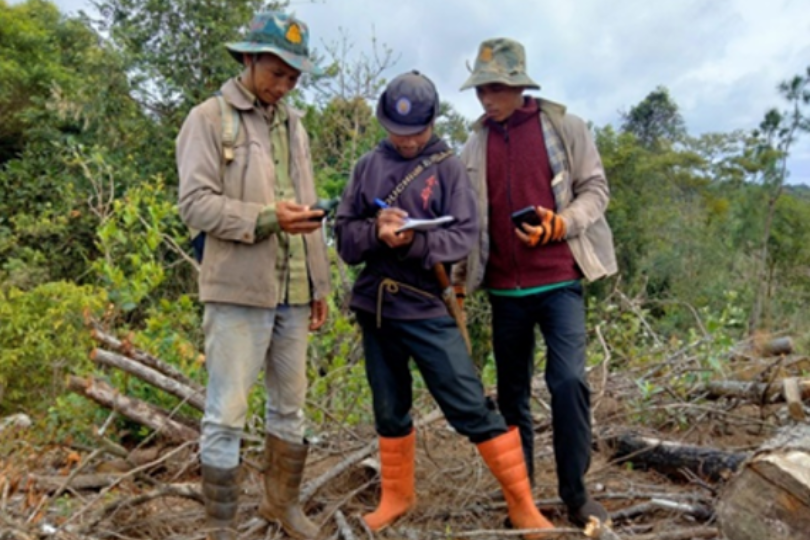
In Pu Treng village, Dak Dam commune, Mondulkiri province, Bournorng Indigenous community continues to protect its ancestral heritage and lands through collective governance rooted in tradition.
With a population of 108 households and 532 members, including 274 women, the community practices rotational farming and sustainable forest use while preserving cultural spaces for ceremonies, music, and spiritual worship.
Despite formal recognition of their Indigenous identity by the Ministry of Rural Development and Interior in 2014, the community’s journey toward securing its Indigenous Communal Land Title (ICLT) faced significant obstacles.
Though an application for collective land registration was submitted in 2017—covering 1,338.69 hectares—prolonged government delays led to rising land encroachment and frustration. Some households even withdrew from the ICLT process out of disillusionment.
In response, My Village Organization (MVi) and supporting NGOs partnered with the community to revive the ICLT efforts.
Together, they reviewed and updated legal documentation, restructured the ICLT committee, and facilitated community engagement with authorities from village to provincial levels. This renewed momentum helped address encroachment issues, revalidate land boundaries, and strengthen the community’s legal standing.
By the end of 2024, these efforts yielded tangible results. The Mondulkiri Provincial Department of Land Management conducted a public display—signaling the final procedural step toward issuing the ICLT certificate. Community representative Mr. Chren expressed hope and gratitude: “Thanks to MVi and donors for their continued support. I believe our land rights will soon be formally secured.”

ម្ចាស់ជំនួយ : USAID
គម្រោង : សកម្មភាពយុវជន ដើម្បីការអភិរក្សបរិស្ថាន និងជីវចម្រុះ
សកម្មភាពគម្រោង : វីដេអូអប់រំស្តីអំពី៖ ការទិញ និងប្រើប្រាស់គ្រឿងសង្ហារិមដែលផលិតចេញពីឈើប្រណិត មានន័យថា អ្នកកំពុងចូលរួមចំណែកក្នុងការធ្វើឲ្យបាត់បង់ព្រៃឈើដ៏ស្រស់ស្អាត របស់ប្រទេសកម្ពុជា
កាលបរិច្ចេទ :ថ្ងៃទី២៨ មិនា ឆ្នាំ ២០២២
អង្គការភូមិខ្ញុំ បានរៀបចំយុទ្ធនាការ ៣ ចម្បង់សំខាន់ៗ រួមមាន៖ ការកាត់បន្ថយការប្រើប្រាស់គ្រឿងសង្ហារិម ដែលផលិតចេញពីឈើប្រណិត ការកាត់នបន្ថយតម្រូវការប្រើប្រាស់ និងបរិភោគសាច់សត្វព្រៃ និងការបញ្ឈប់ការចោលសម្រាមពាសវាលពាសកាល សម្រាប់ធ្វើការផ្សព្វផ្សាយលើ Online Community Center (OCC) Facebook Page ។ យុទ្ធនាការទាំងនេះ ត្រូវបានធ្វើឡើងដើម្បីបង្កើនការយល់ដឹង និងចំណេះដឹងរបស់ប្រជាជនកម្ពុជា អំពីផលប៉ះពាល់អវិជ្ជមាន នៃការប្រើប្រាស់ និងបរិភោគសាច់សត្វព្រៃ ការប្រើប្រាស់គ្រឿងសង្ហារិម ដែលផលិតចេញពីឈើប្រណិត និងការចោលសម្រាមពាសវាលពាសកាល ទៅលើព្រៃឈើ ជីវចម្រុះ បរិស្ថាន និងសុខភាពមនុស្ស និងដើម្បីបង្កើនការចូលរួមរបស់ប្រជាពលរដ្ឋក្នុងការគាំទ្រ និងចាត់វិធានការវិជ្ជមានក្នុងគោលបំណង កាត់បន្ថយការប្រើប្រាស់គ្រឿងសង្ហារិម សាច់សត្វព្រៃ និងការបញ្ឈប់ការចោល សម្រាម។
វីដេអូខាងក្រោមនេះដែរ គឺជាផ្នែកមួយ នៃយុទ្ធនាការ ការកាត់បន្ថយការប្រើប្រាស់គ្រឿងសង្ហារិម ដែលផលិតចេញពីឈើប្រណិត ដែលនឹងបង្ហាញពីអត្ថប្រយោជន៍របស់ព្រៃឈើ ការបំផ្លាញធនធានធម្មជាតិតាមរយៈការប្រើប្រាស់គ្រឿងសង្ហារិមដែលផលិតចេញពីឈើប្រណិត និងការចូលរួមរបស់យុវជន ដើម្បីកាត់បន្ថយការប្រើប្រាស់គ្រឿងសង្ហារិមដែលផលិតចេញពីឈើប្រណិត។
#ទាំងអស់គ្នាដើម្បីព្រៃឈើកម្ពុជា
#និយាយថាទេចំពោះការប្រើប្រាស់គ្រឿងសង្ហារិមដែលផលិតចេញពីឈើប្រណិត
#និយាយថាទេចំពោះការកាប់បំផ្លាញព្រៃឈើ
Facebook Page Link: https://www.facebook.com/OCCMVi
Facebook Name: Online Community Center
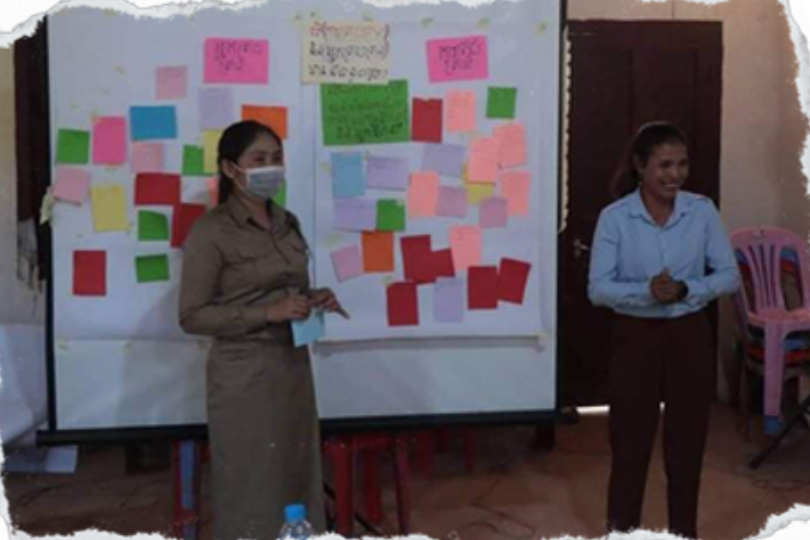
In Thboung Kla village, O’maras commune, Stung Treng province, Mrs. Khun Sothy has emerged as a determined voice for grassroots development. A mother of four and member of an agricultural community, she once lived a quiet life farming and growing vegetables. But her journey took a meaningful turn when local authorities recognized her active participation and selected her as a community women’s leader.
Initially, Mrs. Sothy faced self-doubt and limited experience in leadership. “At first, I didn’t know how to lead women’s groups or organize meetings,” she recalled. That changed when she received capacity-building support from My Village Organization (MVi), including training on gender action learning, leadership, decision-making, and community mobilization.
Equipped with new skills, Mrs. Sothy began holding meetings to share knowledge and mobilize Indigenous Peoples, persons with disabilities, youth, and women to engage in outreach activities. She led issue-collection discussions in her community and represented them in monthly commune council meetings, ensuring their voices influenced the village development plan.
Her growth wasn’t just personal—it was catalytic. Her efforts sparked wider community participation in development planning, especially among women and underrepresented groups. Through partnerships with fishery communities and local authorities, she promoted sustainable resource management and advocated for communal needs.“
“I want to urge all women to be brave and willing to work,” she said. “Even if it doesn’t bring income, everyone has the right to participate in developing our village and protecting our fisheries.”