Donor : Forumciv
Project : Fisheries Conservation by Community Fisheries in Mekong and its tributaries in Stung Treng, Cambodia
Date : 2021
By: giant
Donor : Forumciv
Project : Fisheries Conservation by Community Fisheries in Mekong and its tributaries in Stung Treng, Cambodia
Date : 2021
In a part of awareness raising to community members on deep pool conservation boundary, in 2021 youths collaborated with Samkhouy local authorities to install the Yay Ey deep pool conservation in Srea Tapan village, Samkhouy commune, Sesan district, Stung Treng province that it was participated from Samkhouy commune councilor, Samkhouy commune police and Srea Tapan youths representative. Under small grant, Srea Tapan CFi committee has proposed some activity to conduct the awareness raising to community members on their deep pool conservation boundary because in conservation area is not allowed for fishing if someone do the fishing in deep pool conservation will be punished by CFi committee bases on Srea Tapan by-law.
Koh Sneng commune, located along the Mekong River in Stung Treng province, frequently faces the devastating impacts of climate change—floods, storms, and droughts have become part of daily life.
In recent years, these disasters have disrupted thousands of livelihoods, particularly affecting women, whose voices often go unheard in decision-making processes.
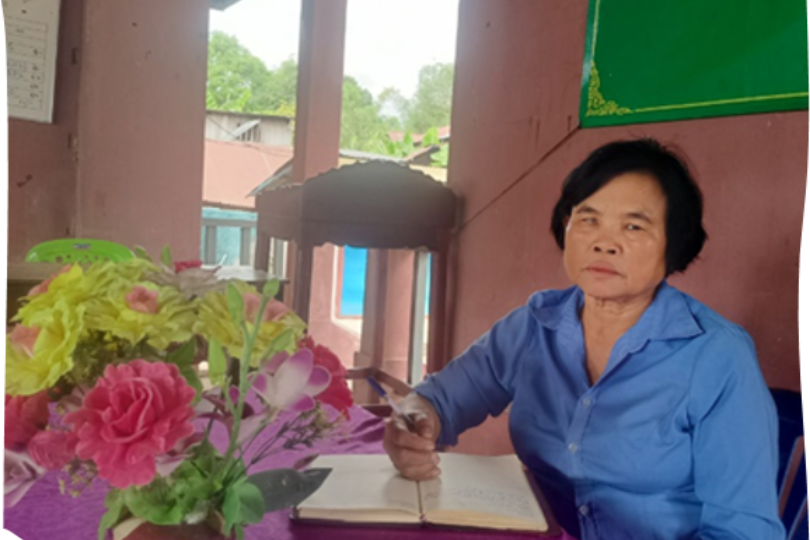
Ms. Na Osa, 62, the first deputy of Koh Sneng commune council, is one of the few women in leadership striving to change that.
Despite holding a position as the commune’s disaster management focal point, she initially admitted, “Even now, I’m not clear what climate change truly means.”
Supported by My Village Organization (MVi) and Oxfam, Ms. Na Osa participated in a series of capacity-building workshops focused on disaster management, vulnerability risk assessment (VRA), and early warning systems (App 1294).
Equipped with new knowledge and tools, she actively engaged in community planning sessions, contributing to discussions that identified local climate challenges and adaptive responses.
Her involvement became instrumental in shifting local governance toward more inclusive, climate-informed decision-making. Ms. Na Osa’s transformation—from uncertainty to action—motivated others, especially women and youth, to join climate planning efforts and steward the commune’s natural resources more responsibly.
She passionately encourages community participation: “Even if some jobs don’t bring income, we must take ownership and care for our resources to reduce disaster risks.”
Today, her leadership symbolizes the growing recognition of women’s roles in climate resilience. By bridging community knowledge and institutional processes, Ms. Na Osa is helping build a more informed, adaptive, and united Koh Sneng—one that recognizes inclusion as essential to sustainability.
Donor : Forumciv
Project : Fisheries Conservation by Community Fisheries in Mekong and its tributaries in Stung Treng, Cambodia
Date : 2021
In a part of awareness raising to community members on deep pool conservation boundary, in 2021 youths collaborated with Samkhouy local authorities to install the Yay Ey deep pool conservation in Srea Tapan village, Samkhouy commune, Sesan district, Stung Treng province that it was participated from Samkhouy commune councilor, Samkhouy commune police and Srea Tapan youths representative. Under small grant, Srea Tapan CFi committee has proposed some activity to conduct the awareness raising to community members on their deep pool conservation boundary because in conservation area is not allowed for fishing if someone do the fishing in deep pool conservation will be punished by CFi committee bases on Srea Tapan by-law.
In Koh Sneang village, nestled within the broader Koh Sneang commune of Stung Treng province, climate change and disaster risks—floods, storms, and prolonged drought—have deeply impacted local communities.
Amid these challenges, 62-year-old Mrs. Ousa, a woman with a disability and member of the commune council, has emerged as a trailblazing leader in disaster risk management and climate change adaptation.
With limited prior knowledge of climate issues, Mrs. Ousa joined the Strengthening Community Resilience (SCR) project—an initiative supported by Oxfam and facilitated by My Village Organization (MVi).
The project provided her with technical training, workshops, and leadership development in disaster risk reduction (DRR) and early warning systems.
Reflecting on her journey, she shared, “Before, I didn’t know what climate change was—even though I was on the disaster management committee. Now, I lead sessions that help my community prepare.”
Empowered by this support, Mrs. Ousa organized community trainings on disaster preparedness, coordinated response plans, and became a key advocate for the 1294 early warning app.
By working closely with fellow council members and community groups, she ensured local residents—including women, people with disabilities, and other marginalized groups—could access timely information and build resilience.
Her commitment not only increased public awareness of climate risks but also brought greater visibility to the capacities of persons with disabilities in local leadership. Through her efforts, Koh Sneang has improved its responsiveness to climate threats, reinforcing the importance of inclusion in building community-wide resilience.
Mrs. Ousa’s transformation exemplifies the power of capacity building and inclusive engagement. Her leadership reinforces a vital message: when marginalized voices are equipped and empowered, they can lead their communities toward safer, more sustainable futures.
ការយល់ឃើញថាការបរិភោគសាច់សត្វព្រៃ ព្រោះសាច់សត្វព្រៃអាចជួយព្យាបាលជម្ងឺ ឬប៉ូវសុខភាព គឺជារឿងមួយដែលមិនត្រឹមត្រូវនោះទេ ប៉ុន្តែផ្ទុយមកវិញ ការបន្តបរិភោគសាច់សត្វព្រៃ អាចបណ្តាលឲ្យមានហានិភ័យយ៉ាងធ្ងន់ធ្ងរ (រហូតដល់បាត់បង់ជីវិត) ចំពោះសុខភាពអ្នក។ ចូលរួមនិយាយពីផលប៉ះពាល់ពីការបរិភោគ និងជួញដូរសាច់សត្វព្រៃទាំងអស់គ្នា ដើម្បីសុវត្ថិភាពសុខភាពអ្នក និងក្រុមគ្រួសាររបស់អ្នក ជួយការពារ និងអភិរក្សដល់បរិស្ថាន និងសម្បត្តិធម្មជាតិរបស់យើង។
#រួមគ្នានិយាយដើម្បីការពារសត្វព្រៃ #និយាយថាទេចំពោះសាច់សត្វព្រៃ #សាច់សត្វព្រៃមិនប្រណីសុខភាពមនុស្ស #ទាំងអស់គ្នាដើម្បីអនាគតសត្វព្រៃកម្ពុជា #យុទ្ធនាការអន្ទាក់សូន្យ #សត្វព្រៃមិនមែនជាឪសថព្យាបាល ជម្ងឺទេ
By: giant
Donor : Forumciv
Project : Fisheries Conservation by Community Fisheries in Mekong and its tributaries in Stung Treng, Cambodia
Date : 2021
In a part of awareness raising to community members on deep pool conservation boundary, in 2021 youths collaborated with Samkhouy local authorities to install the Yay Ey deep pool conservation in Srea Tapan village, Samkhouy commune, Sesan district, Stung Treng province that it was participated from Samkhouy commune councilor, Samkhouy commune police and Srea Tapan youths representative. Under small grant, Srea Tapan CFi committee has proposed some activity to conduct the awareness raising to community members on their deep pool conservation boundary because in conservation area is not allowed for fishing if someone do the fishing in deep pool conservation will be punished by CFi committee bases on Srea Tapan by-law.
In Borey O’Svaysenchay District, a locally led research initiative has transformed how community voices are recognized in fisheries management.
Facilitated by women and youth across three villages—Krom, Koh Snaeng, and Tunsang—the project monitored fish catch patterns and species abundance over four months, revealing actionable insights into sustainability and livelihood resilience.
Fishing is central to household economies and food security in the region. However, environmental degradation and overfishing have put long-term viability at risk. Historically, policies overlooked indigenous knowledge and women’s contributions in fish processing and marketing.
To counter this, the community research team, supported by MVi, underwent five months of capacity-building in data collection, analysis, and reporting. Marginalized voices were prioritized through inclusive facilitation and reflection.
Key findings highlighted traditional fishing techniques and locally adapted innovations that help sustain fish populations. The study also underscored women’s pivotal economic roles, emphasizing the need for gender-responsive governance.
“Our knowledge of fishing practices has been passed down through generations; it’s time for that knowledge to guide decisions.” — Thyda, woman leader, Krom “When women are part of the conversation, everyone benefits.” — Pheasdey, youth leader, Tunsang “This is about safeguarding our future.” — Somdon, woman leader, Koh Snaeng
The district governor’s commitment to integrate these findings into the 5-year development plan marks an institutional shift toward participatory planning.
This case demonstrates how community-led research can influence formal decision-making while elevating women’s leadership in environmental stewardship.
សត្វព្រៃ មានតួនាទីសំខាន់ណាស់នៅក្នុងការជួយការពារបរិស្ថាន បេតិកភណ្ឌធម្មជាតិ និងវិស័យអេកូទេសចរណ៍ជាតិ ដែលជាប្រភពចំណូលមិនចេះរីងស្ងួតរបស់បងប្អូនសហគមន៍មូលដ្ឋាន និងសេដ្ឋកិច្ចជាតិ។
តើសហគមន៍មូលដ្ឋានផ្ទាល់ គួរតែចូលរួមអនុវត្តន៍អ្វីខ្លះ ដើម្បីការពារ និងកាត់បន្ថយការជួញដូរ និងបរិភោគសាច់សត្វព្រៃនៅកម្ពុជា?
ចូលរួមនិយាយពីផលប៉ះពាល់ពីការបរិភោគ និងជួញដូរសាច់សត្វព្រៃទាំងអស់គ្នា ដើម្បីជួយការពារ និងអភិរក្ស បរិស្ថាន សម្បត្តិធនធានធម្មជាតិ និងជម្រុញឲ្យវិស័យអេកូទេសចរណ៍ក្នុងស្រុកឲ្យកាន់តែមានកភាពរីកចម្រើនឡើងជាលំដាប់ ដើម្បីធានាបាននូវចីរភាពសេដ្ឋកិច្ចសហគមន៍មូលដ្ឋាន និងសេដ្ឋកិច្ចជាតិយើង។
#រួមគ្នានិយាយដើម្បីការពារសត្វព្រៃ #និយាយថាទេចំពោះសាច់សត្វព្រៃ #សាច់សត្វព្រៃមិនប្រណីសុខភាពមនុស្ស #ទាំងអស់គ្នាដើម្បីអនាគតសត្វព្រៃកម្ពុជា #យុទ្ធនាការអន្ទាក់សូន្យ #សត្វព្រៃមិនមែនជាឪសថព្យាបាល ជម្ងឺទេ
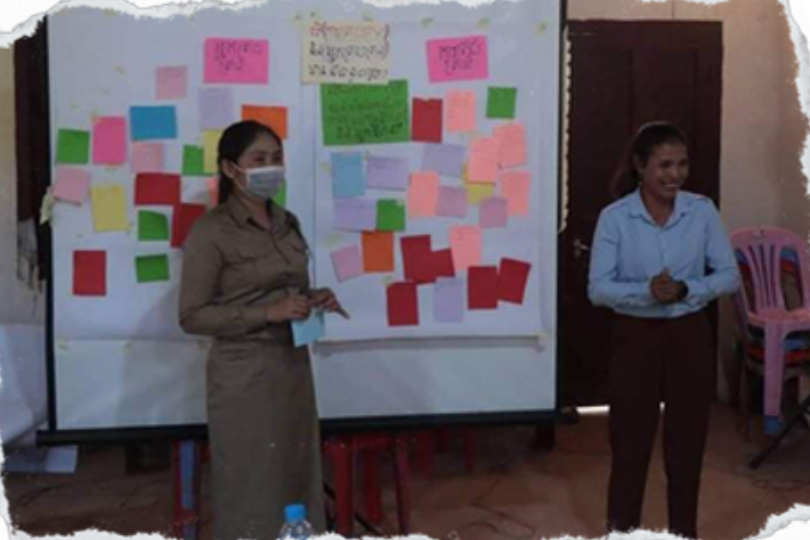
Historically sidelined from governance, Indigenous communities in Mondulkiri, Cambodia, are now reclaiming their seat at the policy table discussion. This transformative initiative was supported by My Village Organization (MVi). Through the Enhancing Indigenous Youth and Indigenous Women Participation in Community Protected Area Forest Monitoring and Climate Change Adaptation (EIPCC) project, over 50 Indigenous women and youth were trained in policy literacy, advocacy, and strategic dialogue with local authorities.
I vividly remember my first commune meeting—where my voice didn’t just echo, it mattered. This wasn’t symbolic inclusion; it led to real change. As a result of our active participation, 100% of targeted Commune Investment Plans (CIPs) now integrated Indigenous priorities like forest protection and climate resilience.
One powerful voice in this transformation is Ms. Khe Sreypin, a 27-year-old member of O’Nglav Community Protected Area (CPA) Committees, who declared, “When decisions about my land are made, I must be at the discussion table, not just watching from the sidelines.” Her leadership helped move CPA plans from community discussion to official policy.
This initiative didn’t just influence documents—it sparked a cultural shift. Dialogue between Indigenous communities and commune councils became more transparent and equitable. Women and youth are now decision-makers, not observers, and their perspectives inform every stage of development.
Mr. Man Ream, commune chief of Sray Huy, affirmed this evolution: “Today, CPA members, especially women, are actively engaged in CIP processes, ensuring our forests are protected for future generations.”
By: giant
ម្ចាស់ជំនួយ : UNDP
គម្រោង : ការចូលរួមរបស់បណ្តាញយុវជន បណ្តាញស្ត្រីជនជាតិដើមភាគតិចត្រួតពិនិត្យថវិកាឃុំក្នុងសកម្មភាពបម្រែបម្រួលអាកាសធាតុ
កាលបរិច្ឆេទ : ថ្ងៃទី២៨ ខែកក្កដា ឆ្នាំ២០២២
អង្គការភូមិខ្ញុំ បានរៀបចំសិក្ខាសាលាមួយនៅថ្នាក់ខេត្ត ដើម្បីផ្តល់ពានរង្វាន់ដល់ឃុំឆ្មើម ដែលបានវិភាជថវិការបស់ឃុំសម្រាប់សកម្មភាពបម្រែបម្រួលអាកាសធាតុនិងផ្តល់រង្វាន់ដល់ស្ត្រីជនជាតិដើមភាគតិច និងយុវជនជនជាតិដើមភាគតិចដែលសកម្មក្នុងការស្នើសុំក្រុមប្រឹក្សាឃុំវិភាជថវិកាឃុំទៅក្នុងសកម្មភាពបម្រែបម្រួលអាកាសធាតុ។ សិក្ខាសាលានេះមានអ្នកចូលរួមចំនួន ១២០ នាក់ (ស្ត្រី ៦៤ នាក់ យុវជន ៥៦ នាក់ ០៣ក្រុមស្រលាញ់ភេទដូចគ្នា ០៣ ជនពិការ)។ សមាសភាពចូលរួមមានដូចជា បណ្តាញស្ត្រីជនជាតិដើមភាគតិច បណ្តាញយុវជនជនជាតិដើមភាគតិចមកពី០៧ភូមិ និងក្រុមប្រឹក្សាឃុំមកពីឃុំចំនួន០៤ ឃុំ តំណាងស្រុក និងតំណាងខេត្ត។ សកម្មភាពនេះត្រូវបានអនុវត្តនៅថ្ងៃទី ២៨ ខែកក្កដា ឆ្នាំ២០២២ នៅសណ្ឋាគាររស្មីពេជ្រ ក្នុងខេត្តស្ទឹងត្រែង។
ជាលទ្ធផលឃុំដែលទទួលបានជាឃុំឆ្មើមក្នុងការវិភាជថវិកាឃុំក្នុងសកម្មភាពបម្រែបម្រួលអាកាសធាតុបានទៅឃុំក្បាលរមាស និងក្រុមយុវជនជនជាតិដើមភាគតិច ដែលសកម្មធ្វើការជាមួយឃុំក្នុងការដាក់បញ្ចូលសកម្មភាពបម្រែបម្រួលអាកាសធាតុក្នុងកម្មវិធីវិនិយោគឃុំ បានទៅលើក្រុមយុវជនមកពីភូមិសាមឃួយ។ ចំនែកឯក្រុមស្រ្តីជនជាតិដើមភាគតិចបានទៅលើក្រុមស្រ្តីពីភូមិទន្សោង។
.