
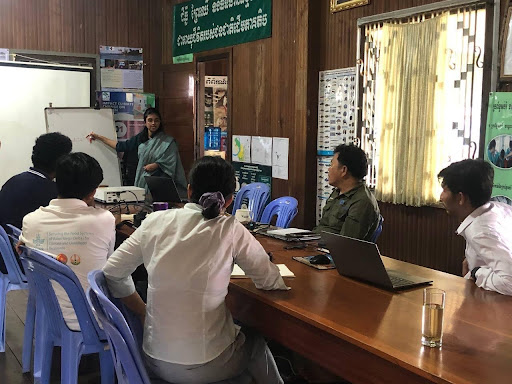
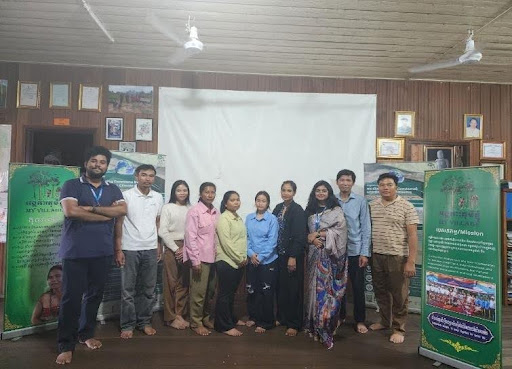
My Village Organization (MVi) recently welcomed representatives from WorldFish for a coordination and knowledge exchange meeting at its office in Stung Treng Province. The meeting provided an opportunity for both organizations to exchange experiences, discuss their ongoing initiatives, and explore areas of mutual interest in promoting sustainable and climate-resilient community development.
16
Jun
Sharing Ideas, Building Partnerships: WorldFish Visits MVi to Explore Green Micro-Business Initiatives
During the meeting, representatives from WorldFish expressed keen interest in learning about the Green Business and Green Micro-Business (GMB) ideas developed by the MLNP Project Participants. In response, the Project Participants presented a range of innovative business concepts, explaining their objectives, implementation approaches, and potential contributions to improving household incomes while promoting environmental sustainability.
The discussions highlighted several environmentally friendly business models, including climate-smart agriculture, sustainable farming systems, renewable energy applications, efficient resource management, and value-added livelihood opportunities. The Project Participants also demonstrated how these business ideas are designed to address local challenges by creating income-generating opportunities, strengthening climate resilience, and encouraging the sustainable use of natural resources.
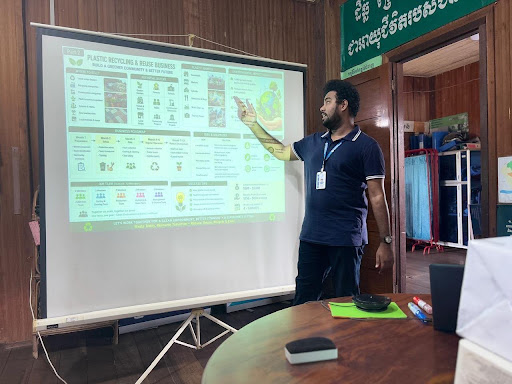
The WorldFish representatives appreciated the innovative concepts and actively engaged in discussions on their technical feasibility, market potential, and long-term sustainability. They also shared valuable insights and practical recommendations to further strengthen the proposed business ideas and enhance their potential impact at the community level.
Beyond the exchange of ideas, the meeting reinforced the importance of collaboration, knowledge sharing, and mutual learning among development organizations. Both organizations recognized that combining local experience with technical expertise can foster more innovative, practical, and sustainable solutions for community development.
The meeting concluded with a shared commitment to maintaining close communication and exploring future opportunities for collaboration. MVi believes that such knowledge exchange initiatives not only strengthen institutional partnerships but also inspire innovation and contribute to developing environmentally sustainable, economically viable, and community-driven livelihood opportunities for the people of Stung Treng Province.
16
Jun
Driving Practical Solutions for Climate-Resilient Livelihoods: MVi Organizes the Second Staff Capacity Building Training under the MLNP Project
Project : Driving Practical Solutions for Climate-Resilient Livelihoods: MVi Organizes the Second Staff Capacity Building Training under the MLNP Project
Location : Stung Treng Province, Cambodia
Date : 16 June 2026
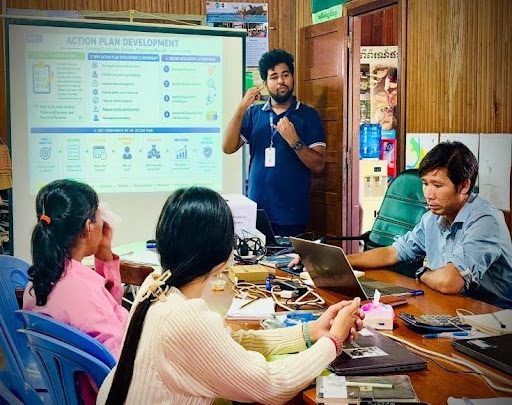
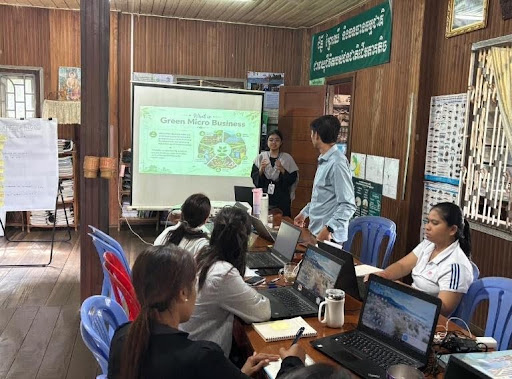
Recognizing that sustainable community development requires not only knowledge but also practical skills and innovative thinking, My Village Organization (MVi) successfully organized its Second Staff Capacity Building Training on 16 June 2026 under the Mutual Learning for Nature & People (MLNP) Project. Titled “MVi Capacity Building Training: Empowering Staff to Drive Climate Action and Sustainable Development Goals (SDGs) through Green Micro-Business Development for Local Communities, Facilitated by the Project Participants of the Social & Economic Enhancement Programme (SEEP), the training focused on transforming climate-smart ideas into practical and market-oriented solutions that can be applied to strengthen green livelihoods and community resilience in Stung Treng Province.
Unlike the first training, which introduced the foundations of climate change and sustainable development, this second session emphasized how those concepts can be translated into real community actions and Green Micro-Business opportunities. Through practical discussions and experience sharing, participants explored how renewable energy, sustainable agriculture, circular resource management, and enterprise development can work together to create environmentally responsible and economically viable livelihood models.
A key highlight of the programme was the introduction of renewable energy and solar panel waste management. Participants gained practical insights into responsible management of end-of-life solar panels through reuse, repair, refurbishment, and recycling, while also exploring how renewable energy technologies can contribute to reducing environmental impacts and supporting sustainable rural development. The training reinforced the importance of adopting resource-efficient practices that minimize waste and maximize the value of available materials.
The programme further demonstrated how multi-layer farming, organic farming, efficient waste management, and low-cost livestock feeding practices can improve productivity, restore soil health, conserve water, and reduce production costs. Rather than presenting these as individual technologies, the sessions illustrated how they can be integrated into climate-smart farming systems that strengthen food security and generate sustainable income for local communities. Participants were also introduced to practical business development tools, enabling them to identify local opportunities, assess available resources, and develop environmentally sustainable Green Micro-Business initiatives that respond to local needs.
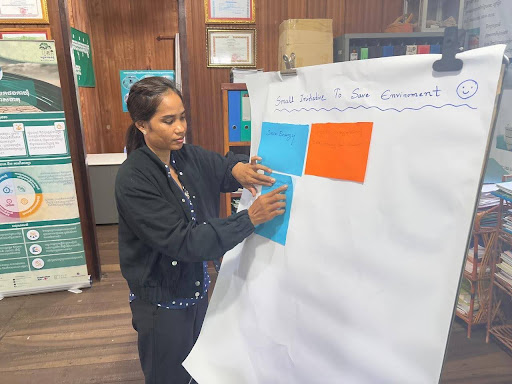
To broaden participants’ understanding of enterprise development, the facilitators used the Bangladesh farming process as a practical learning model to demonstrate the complete agricultural value chain—from production planning and crop management to post-harvest handling, storage, transportation, marketing, and value addition. The training concluded by examining the opportunities and challenges of Green Micro-Business development in Stung Treng and identifying practical strategies to strengthen market access, improve business resilience, and create long-term economic opportunities through locally driven solutions.
By combining technical knowledge with practical business approaches and field experiences shared by the SEEP Project Participants, the training strengthened MVi staff’s capacity to facilitate climate-resilient, market-oriented, and environmentally sustainable livelihood initiatives. As the second staff capacity building training under the MLNP Project, the programme reaffirmed MVi’s commitment to continuous organizational learning and to equipping its staff with the knowledge and skills needed to support resilient indigenous communities and sustainable local development across Stung Treng Province.
16
Jun
Reflecting, Learning and Moving Forward: MVi Organizes Internal Knowledge Sharing and Reflection Session under the MLNP Project
Project : Reflecting, Learning and Moving Forward: MVi Organizes Internal Knowledge Sharing and Reflection Session under the MLNP Project
Location : Stung Treng Province, Cambodia
Continuous learning is essential for delivering meaningful and sustainable development outcomes. Guided by this principle, My Village Organization (MVi) successfully organized an Internal Knowledge Sharing and Reflection Session under the Mutual Learning for Nature & People (MLNP) Project, creating a platform for staff and project participants to reflect on experiences, celebrate achievements, identify challenges, and strengthen future project implementation.
The session focused on reviewing the progress made during the first three months of the project, encouraging participants to critically examine what worked well, what challenges emerged, and how valuable lessons could be translated into improved practices. Rather than simply reviewing completed activities, the event promoted a culture of continuous learning, collaboration, and adaptive management, enabling participants to collectively identify practical solutions for enhancing programme quality and organizational performance.
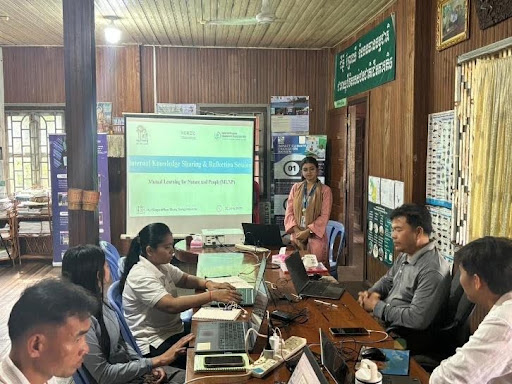
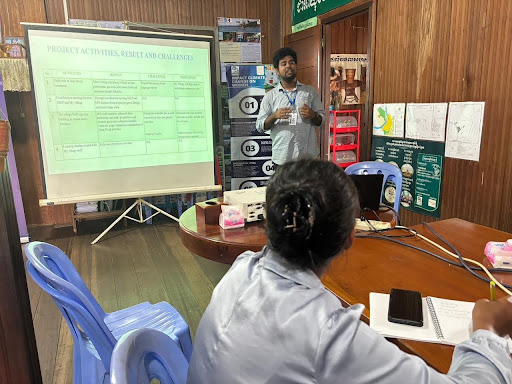
Throughout the discussions, participants reflected on key project interventions, including staff capacity-building initiatives, Green Micro-Business (GMB) development, business planning, action plan development, guideline and manual preparation, climate action, renewable energy, tools development, and climate adaptation planning. Experiences from field visits, coordination meetings, and staff training were also shared, allowing participants to connect technical knowledge with real implementation experiences and identify opportunities for further improvement.
A significant outcome of the session was the collective reflection on implementation challenges and the practical solutions adopted throughout the project’s early stages. Participants discussed issues such as language barriers, coordination, and scheduling constraints, while highlighting how teamwork, regular communication, and collaborative problem-solving helped maintain project progress. The session reinforced the value of documenting lessons learned and applying those insights to improve future interventions.
The meeting also provided an opportunity to review project implementation against the approved MLNP Project Gantt Chart, confirming that planned activities had progressed according to schedule while identifying priorities for the months ahead, including business plan development, awareness-raising activities, entrepreneur training, business monitoring, and documentation of best practices.
More than a routine review meeting, the Internal Knowledge Sharing and Reflection Session demonstrated MVi’s commitment to becoming a learning organization—one that continuously improves by listening, reflecting, and adapting. By strengthening collaboration and promoting evidence-based decision-making, the session has further enhanced MVi’s capacity to deliver climate-resilient, community-driven, and sustainable development initiatives for indigenous communities in Stung Treng Province.
MVi extends its sincere appreciation to the Project Participants of SEEP and all staff members for their active participation, openness, and commitment to mutual learning. Their collective knowledge and shared experiences continue to strengthen the partnership and contribute to the successful implementation of the MLNP Project.
02
Jun
MVi Strengthens Staff Capacity on Climate Change and Green Micro-Business through the First Capacity Building Training under the MLNP Project
Project : MVi Strengthens Staff Capacity on Climate Change and Green Micro-Business through the First Capacity Building Training under the MLNP Project
Location : Stung Treng Province, Cambodia
Date : 02 June 2026
As part of its commitment to strengthening organizational capacity and promoting sustainable community development, My Village Organization (MVi) organized its First Staff Capacity Building Training on 2 June 2026 under the Mutual Learning for Nature & People (MLNP) Project. Titled “MVi Capacity Building Training: Empowering Staff to Drive Climate Action and Sustainable Development Goals (SDGs) through Green Micro-Business Development for Local Communities,” the training was facilitated by the Project Participants of the Social & Economic Enhancement Programme (SEEP). The event marked the beginning of a series of organizational learning initiatives designed to enhance the technical knowledge, practical skills, and professional competencies of MVi staff, enabling them to better support climate-resilient and sustainable livelihoods within local communities.
The training aimed to enhance staff knowledge and technical capacity on Climate Change, Sustainable Development Goals (SDGs), Green Micro-Business, Cambodia’s climate context, and climate adaptation strategies. Through interactive presentations, group discussions, and experience-sharing sessions, participants strengthened their understanding of how climate change affects communities and how sustainable development approaches can contribute to building resilient livelihoods.
A key focus of the training was Green Micro-Business, where participants explored environmentally friendly livelihood options such as organic farming, tree nurseries, compost production, waste recycling, renewable energy, sustainable fisheries, and eco-friendly food processing. The sessions highlighted how these initiatives can create income opportunities while protecting natural resources and supporting sustainable local development.
Participants also learned about Cambodia’s climate history, changing rainfall patterns, rising temperatures, and the specific climate challenges facing Stung Treng Province. These discussions helped staff better understand local climate risks and identify practical adaptation measures that can be integrated into community-based development programmes.
One of the most valuable aspects of the training was the peer-learning approach, where the SEEP Project Participants shared their practical experiences and lessons learned from implementing the MLNP Project. This exchange of knowledge encouraged collaborative learning, strengthened institutional capacity, and equipped MVi staff with practical insights that can be applied in future project implementation.
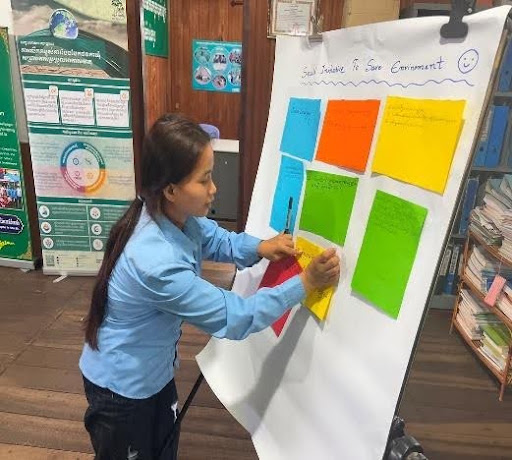
As the first staff capacity-building initiative under the MLNP Project, the training laid a strong foundation for future organizational learning. MVi believes that investing in staff development is essential for improving programme quality and delivering more effective, climate-resilient, and sustainable development interventions for indigenous communities in Stung Treng Province.
MVi sincerely appreciates the valuable contributions of the Project Participants of SEEP for sharing their expertise and practical experiences. Their support reflects the spirit of mutual learning that lies at the heart of the MLNP Project and continues to strengthen collaboration between partner organizations.
15
Jul
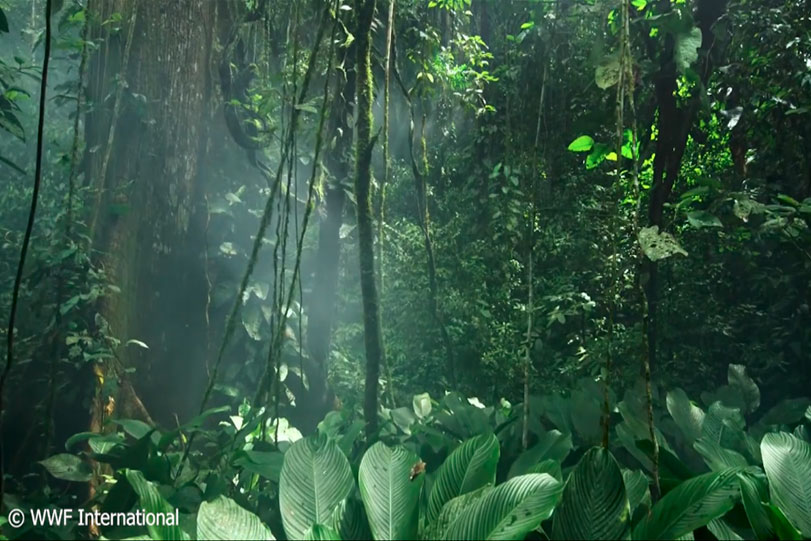
Together to protect our wildlife Community involvement for trading and eating bushmeat reduction
Wildlife plays an important role in protecting the environment, natural heritage and national ecotourism, which is an inexhaustible source of income for local communities and the national economy.
What should local communities do to prevent and reduce wildlife trafficking and consumption in Cambodia?
Participate in talking about the negative impacts of eating and trading bushmeat together to protect and conserve the environment, natural resources and encourage the local ecotourism sector to grow steadily to ensure the economic sustainability of local communities and our national economy.
#Talk2ProtectOurWildlife #SayNoBushmeat #NegativeImpactOfBushmeatOnHumanHealth #TogetherForCambodiaWildlife #TimeToStandUpForTheWildlife #TogetherWeSaveOurWildlife #WildlifeIsnotMadicine
15
Jul
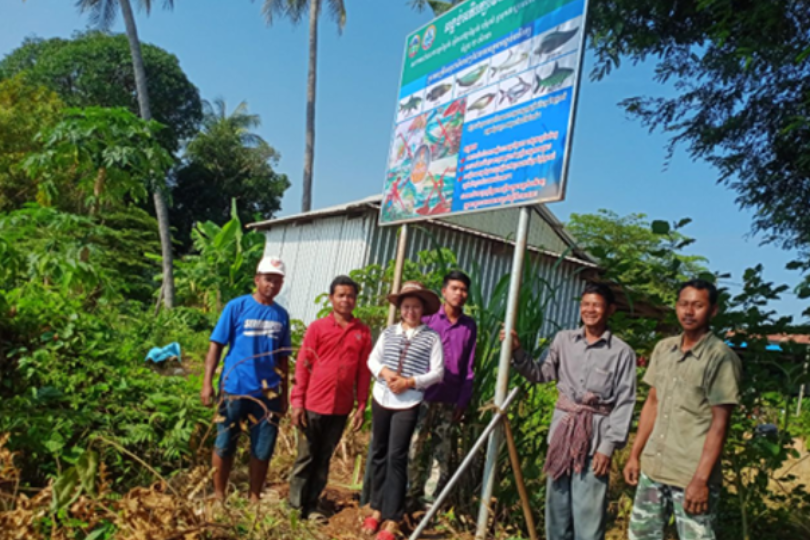
EMPOWERING WOMEN IN FISHERIES: MRS. SEN SOVAN’S JOURNEY TO ECOLOGICAL LEADERSHIP
In O’Rey village of Thala Borivat District, Stung Treng Province, Mrs. Sen Sovan—once a quiet fisherwoman balancing household responsibilities—has become a prominent leader in community-based fisheries management.
Encouraged by her local Community Fisheries Committee, Mrs. Sovan stepped into a training role, sharing knowledge about integrating fish ecology into local fisheries management. But her path wasn’t easy. Like many women in rural Cambodia, she faced significant barriers—limited formal education, domestic expectations, lack of confidence, and gender-based discrimination.
Support from My Village Organization (MVi) and Oxfam proved transformative. Through capacity-building workshops, forums, and leadership training grounded in fish ecosystem management, Mrs. Sovan gained technical skills and the confidence to lead. She participated in planning signage for protected areas, conducted awareness-raising sessions on ecosystem-based fisheries, and helped coordinate the integration of ecological principles into the community’s fisheries project.
Her efforts extended beyond training. She facilitated community planning meetings to identify equipment needs for conservation, championed women’s participation in resource governance, and mentored younger women to take part in local decision-making processes.
“I urge all women to have courage,” she said. “Even if there’s no income, our voices deserve space in community work. Together, we must care for our fisheries—for sustainability and for our children.”
Today, Mrs. Sen Sovan’s story illustrates how women’s leadership, when nurtured through inclusive support, can reshape natural resource management. Her journey stands as a testament to the power of grassroots action, local wisdom, and gender equity in achieving sustainable development.
15
Jul

By: giant
The engagement’s indigenous youth, women networks in commune climate change budget
Donor : UNDP
Project : The engagement’s indigenous youth, women networks in commune climate change budget and monitoring.
Date : 28th July, 2022
MVi organized one workshop at provincial levels to aware the champions for commune administration who have allocated more budget for climate change activities in commune plans and award for indigenous women and indigenous youths who are active to work with commune councilors for the success of budget allocation for climate change activities in the commune. It was attended from 120 participants (64 women, 56 youths, 03 LGBT+, 03 PWD) including indigenous women, indigenous youths from seven villages, and commune councilors from four communes, district officials, and provincial officials. This activity was implemented on 28th July, 2022 at Rasmey Pich hotel in Stung Treng province.
The outstanding commune on best praises of budget allocation for climate change in commune plans have been awarded to Kbal Romeas commune councilor. Active indigenous women have been awarded to Tourn Song women focal person and indigenous youths have been awarded to youth focal person in Samkhouy village.
15
Jul
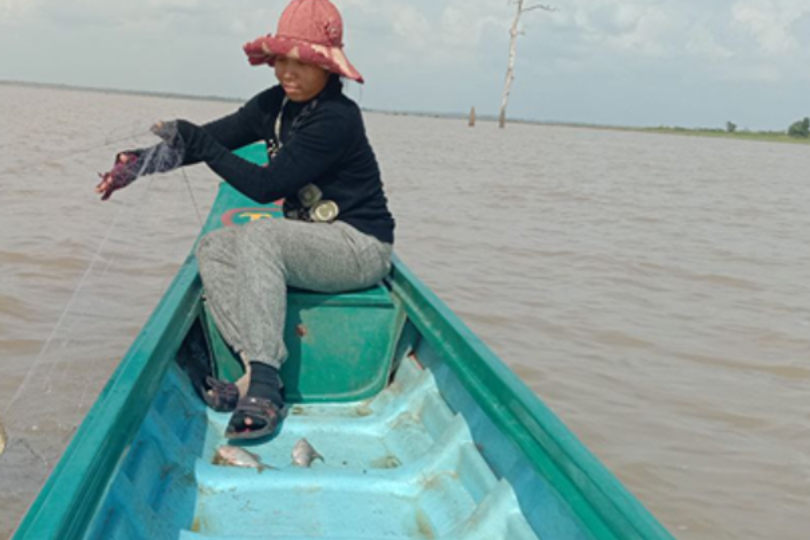
WOMEN LEADING CHANGE: MRS. DORN CHORVY ADVANCES FISH CATCH MONITORING IN SREA SRONUK
At just 23, Mrs. Dorn Chorvy from Srea Sronuk village, Stung Treng province, has emerged as a committed leader in sustainable fisheries. A mother of two, she balances daily fishing and farming to support her daughters’ education.
Life hasn’t been easy—Chorvy left school to care for her ill mother and faced numerous challenges, including limited confidence and recognition as a young woman in leadership.
In 2020, during a time when COVID-19 restrictions, illegal fishing, and land disputes disrupted the community, Chorvy was selected as a women’s leader. Yet early on, she often felt her voice went unheard. “I used to lose confidence,” she recalled, “because even when I was invited to meetings, my ideas were not accepted.”
Support from My Village Organization (MVi) and Oxfam marked a turning point. With technical guidance and funding, Chorvy received training, coaching, and networking opportunities that strengthened both her confidence and technical capacity. One key area was fish catch monitoring—a vital tool in sustainable fisheries management.
Initially, Chorvy lacked confidence to facilitate data collection with local fishers and worked alone. But after months of training and hands-on experience, she gained expertise and even conducted echo-trainings for other community members. Her field efforts—tracking species, recording catch volumes, and engaging with stakeholders—demonstrated how empowered women leaders can contribute to ecological knowledge and resource governance.
“I’m proud of my role,” she said. “I’m committed to doing my best, and I sincerely thank MVi, Oxfam, and the local authorities for their trust and support.”
Chorvy’s journey is a testament to the transformative impact of inclusive leadership and capacity building. Her work not only advances sustainable fishing practices but also inspires other women to lead with courage and purpose.
15
Jul

By: giant
Good Governance and Social Accountability / Local Economic Development and Climate Change Adaptation
My True Story Disadvantages of young marriage in indigenous communities
Donor: USAID and ADHOC
Project: Inclusive Participation of Indigenous Child and Youths in CEFM Reduction in indigenous communities (IPICiC)
Implement: MVi
Date: October 29, 2022
Young marriage is still a challenge in Cambodia, and in some areas, it is considered common, especially in Ratanakkiri and Mondulkiri provinces, where the rate of young people deciding to get married at a young age is up to 36 percent compared to other provinces across the country.
15
Jul
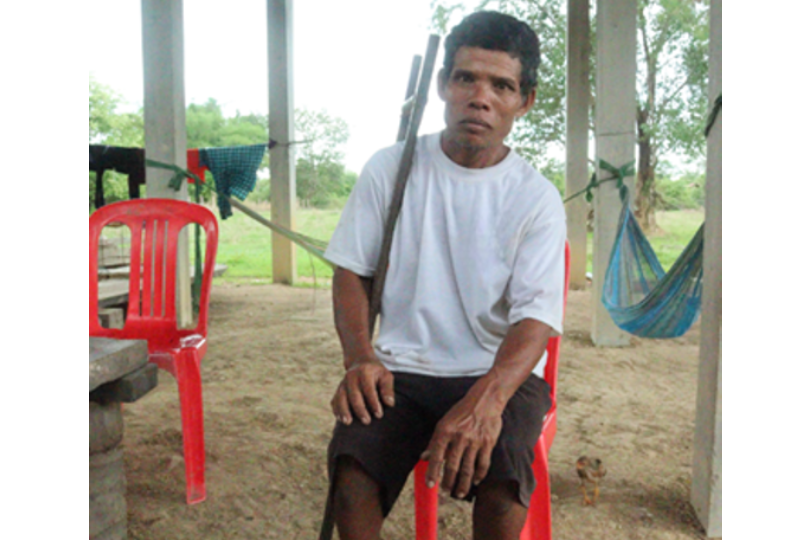
BRIDGING MARGINS: MR. SON BAI AMPLIFIES DISABLED VOICES IN RIVER GOVERNANCE
In the quiet village of Krom, nestled along the Mekong River in Stung Treng province, 46-year-old Mr. Son Bai lives with his wife and daughter in a modest household with no electricity or reliable water supply. A person with disability, his livelihood depends on farming, forestry, and fishing—activities that have grown increasingly difficult as local ecosystems deteriorate. Once residing on an island with abundant fish stocks, declining catches and weakened physical health forced Bai to relocate to the mainland, where fishing trips are longer and more strenuous.
Despite these challenges, Mr. Bai emerged as an active contributor to the IP2 project implemented by My Village Organization (MVi). His firsthand knowledge and experience became vital in shaping inclusive dialogue around cross-boundary river ecology and fisheries management.
During a community meeting focused on environmental changes, Mr. Bai shared insights on shifting fishing practices and ecological impacts in the Mekong. He later participated in a household interview, providing detailed accounts of declining fish stocks and the economic strain on his family. Recognizing the value of his voice, MVi invited him to a regional dissemination workshop—where he engaged directly with local authorities and other stakeholders.
This rare opportunity allowed Bai to express the lived reality of marginalized fishers with disabilities. His perspectives helped bridge the gap between community members and policymakers, calling attention to the pressing need for inclusive approaches to water governance and natural resource protection.
Through his involvement, Mr. Bai not only amplified the concerns of his community but also demonstrated how persons with disabilities can contribute meaningful insights to environmental decision-making. His story reminds us that inclusion isn’t just a principle—it’s a necessity for sustainable, equitable resource management.