info@mvicambodia.org 0979519123/0889517123

Our Projects

15 Jul
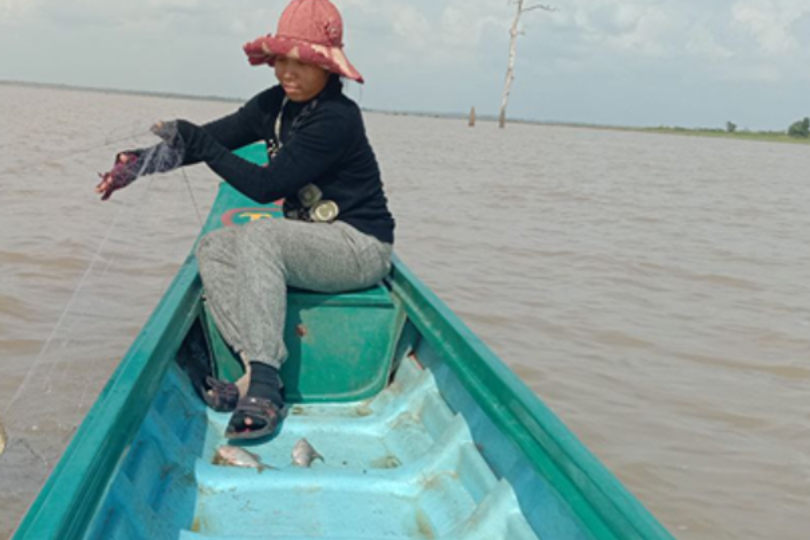
Fisheries Conservation by Community Fisheries in Mekong and its tributaries in Stung Treng, Cambodia

Donor :   Forumciv

Project : Fisheries Conservation by Community Fisheries in Mekong and its tributaries in Stung Treng, Cambodia

Date : 2021

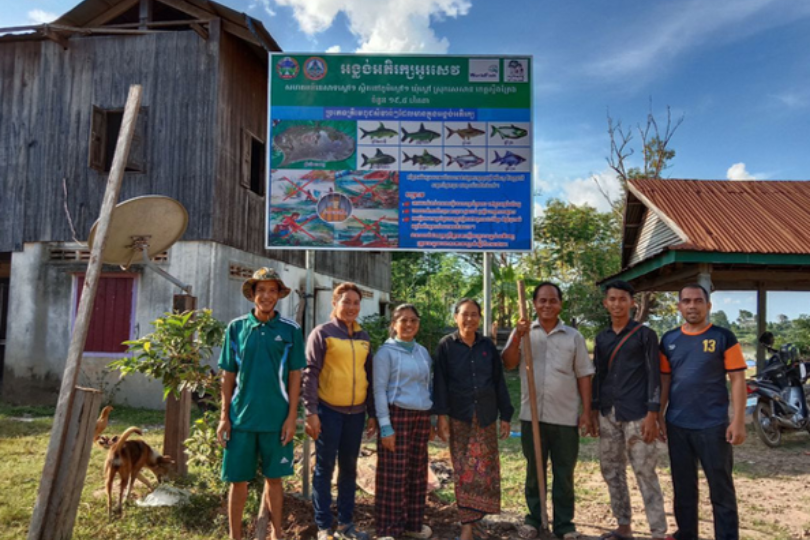
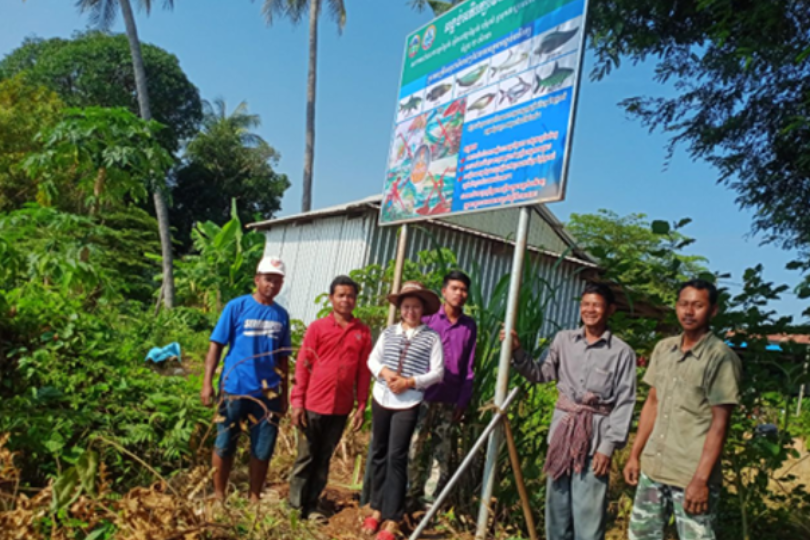
In a part of awareness raising to community members on deep pool conservation boundary, in 2021 youths collaborated with Samkhouy local authorities to install the Yay Ey deep pool conservation in Srea Tapan village, Samkhouy commune, Sesan district, Stung Treng province that it was participated from Samkhouy commune councilor, Samkhouy commune police and Srea Tapan youths representative. Under small grant, Srea Tapan CFi committee has proposed some activity to conduct the awareness raising to community members on their deep pool conservation boundary because in conservation area is not allowed for fishing if someone do the fishing in deep pool conservation will be punished by CFi committee bases on Srea Tapan by-law.

15 Jul
EMPOWERING INDIGENOUS YOUTHS IN FOREST CONSERVATION: A CASE STUDY FROM ABOUNLEU CPA

Donor :   Forumciv

Project : Fisheries Conservation by Community Fisheries in Mekong and its tributaries in Stung Treng, Cambodia

Date : 2021

In the heart of Mondulkiri’s forests, Indigenous communities face mounting threats from deforestation, illegal logging, and climate change. In response, My Village Organization (MVi) launched an initiative to empower Indigenous Women Groups (IWGs) and Indigenous Youth Groups (IYGs), nurturing their role as environmental stewards.

Over 50 Indigenous women and youths in the Or Boun Leu Community Protected Area (CPA) received training in sustainable forest management, GPS tracking, and data collection. These efforts enabled 52 forest patrols, uncovering 33 illegal logging incidents and dismantling 64 wildlife traps. Beyond enforcement, the project built capacity, igniting youth leadership and integrating traditional knowledge with modern conservation strategies.

“I don’t just see trees—I see it as my future, my IP culture, and my home,” shared 24-year-old Sy Soktho, an IYG member and CPA Committee representative. Through hands-on forest patrols and school-based outreach, Soktho and her peers helped raise awareness on biodiversity, responsible land use, and climate change adaptation, linking generations through shared responsibility.

The Enhancing Indigenous Youth and Indigenous Women Participation in Community Protected Area Forest Monitoring and Climate Change Adaptation in Mondulkiri Project (EIPCC) promoted trust and collaboration between communities and local authorities. It ensured that Indigenous voices shaped conservation efforts, preserving both ecological integrity and cultural heritage.

Community members like Mr. Sat Sot, a senior CPA representative, expressed deep pride in the youth-led transformation: “Seeing our youth and women take the lead gives me great hope. Conservation is not just a responsibility—it’s a way of life.”

15 Jul
INCLUSIVE GOVERNANCE IN ACTION: Indigenous Women Shaping Local Development

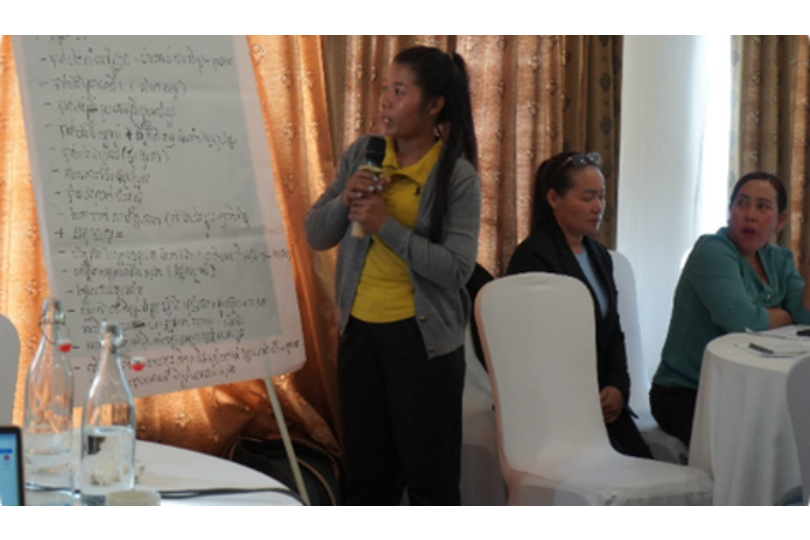
Historically sidelined from governance, Indigenous communities in Mondulkiri, Cambodia, are now reclaiming their seat at the policy table discussion. This transformative initiative was supported by My Village Organization (MVi). Through the Enhancing Indigenous Youth and Indigenous Women Participation in Community Protected Area Forest Monitoring and Climate Change Adaptation (EIPCC) project, over 50 Indigenous women and youth were trained in policy literacy, advocacy, and strategic dialogue with local authorities.

I vividly remember my first commune meeting—where my voice didn’t just echo, it mattered. This wasn’t symbolic inclusion; it led to real change. As a result of our active participation, 100% of targeted Commune Investment Plans (CIPs) now integrated Indigenous priorities like forest protection and climate resilience.

One powerful voice in this transformation is Ms. Khe Sreypin, a 27-year-old member of O’Nglav Community Protected Area (CPA) Committees, who declared, “When decisions about my land are made, I must be at the discussion table, not just watching from the sidelines.” Her leadership helped move CPA plans from community discussion to official policy.

This initiative didn’t just influence documents—it sparked a cultural shift. Dialogue between Indigenous communities and commune councils became more transparent and equitable. Women and youth are now decision-makers, not observers, and their perspectives inform every stage of development.

Mr. Man Ream, commune chief of Sray Huy, affirmed this evolution: “Today, CPA members, especially women, are actively engaged in CIP processes, ensuring our forests are protected for future generations.”

This site is registered on wpml.org as a development site.