info@mvicambodia.org 0979519123/0889517123

Our Projects

15 Jul
Youths’ Action for Biodiversity Conservation (YABC)

Donor : USAID

Project :  Youths’ Action for Biodiversity Conservation (YABC)

Activity: Training on SBSS and Theme I on Reduction of Luxury Wood Furniture Consumption

Date : March 27 – May 15, 2022

Recognizing that threats to forests, wildlife and biodiversity are the most important issues in the eastern landscape of Cambodia. My Village is an NGO that carries out a number of activities to conserve natural resources by empowering indigenous communities such as protected area communities, ethnic women’s networks, and ethnic youth networks.

Project of Youths’ Action for Biodiversity Conservation (YABC) focus on youth participation to increase the capacity for widespread dissemination of forests, wildlife, biodiversity and the environment, especially to local communities effectively.

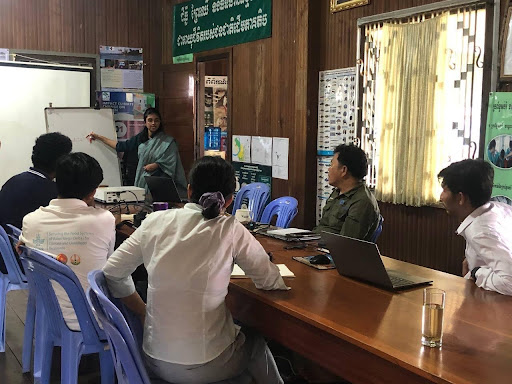
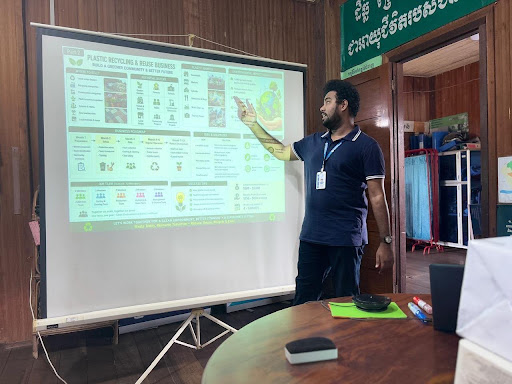
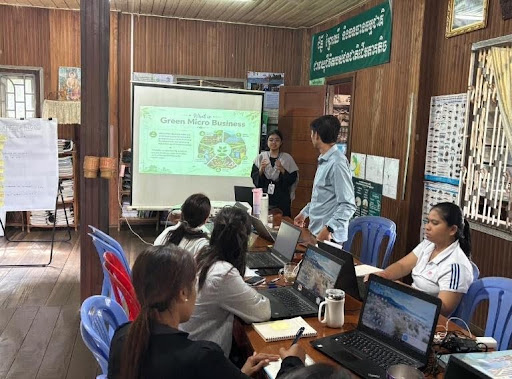
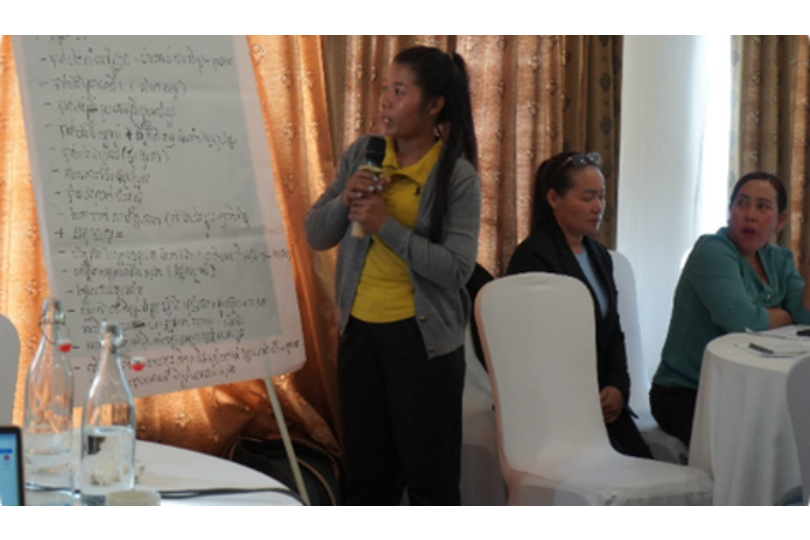
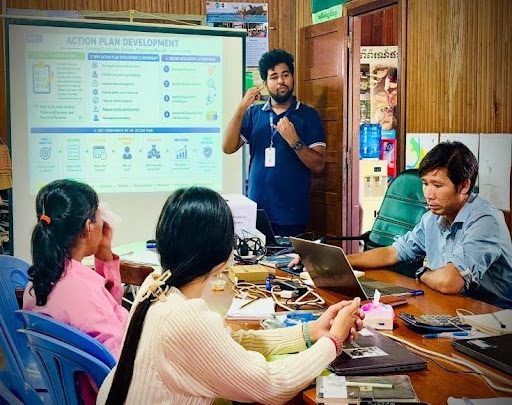
Through the above issues, My Village Organization organized a training course on: “Reduction of Luxury Wood Furniture Consumption” for 13-school youth in the target area of ​​Mondulkiri province for youths. The purpose of this training is to 

– Increase awareness of the benefits of forests and biodiversity

– Raise awareness of the impact of using luxury wood furniture

– Increase the positive attitude of the participants and share it with their friends, family as well as through Social and Behaviour Change Communication (SBCC)

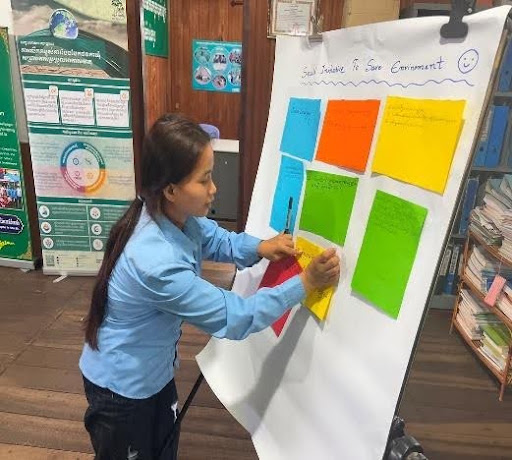
A total of 325 youths (226 women) and 159 indigenous youth (116 women) participated. Through pre-testing the ability of youths, we observed that we provided the training, only about 43 percentage have an understanding of the forest and luxury wood furniture. In contrast, after they received the training from My Village Organization on: “Reduction of Luxury Wood Furniture Consumption”, they can learn more about the forest, as well as the problem of furniture made from luxury wood up to 80 percentage. In addition, they committed to reduce of using the furniture made of luxury wood from day to day, as well as to share the knowledge they gained from this training to share to their families, relatives, friends and the community as much possible. Furthermore, they also gained a lot positive thinking and how to talk about forest issues and luxury wood furniture to their relatives, families, friends and community for reduction of luxury wood consumption and forest and biodiversity conservation. The methods that have been successfully implemented in this training course include group discussion, presentation, Q&A, watching educational videos and role play which can encourage they to reduce shyness or fear to express themselves, especially the performance from role play helped the youths to remember and better understand the relationship between the forest and luxury wood furniture. 

***Note: For scoring the test of youth’s ability before and after the training, use the evaluation level of five numbers, the lowest score is represented as number 1 and the highest score is represented as number 5. Thank you!

15 Jul
Fisheries Conservation by Community Fisheries in Mekong and its tributaries in Stung Treng, Cambodia

Donor :   Forumciv

Project : Fisheries Conservation by Community Fisheries in Mekong and its tributaries in Stung Treng, Cambodia

Date : 2021

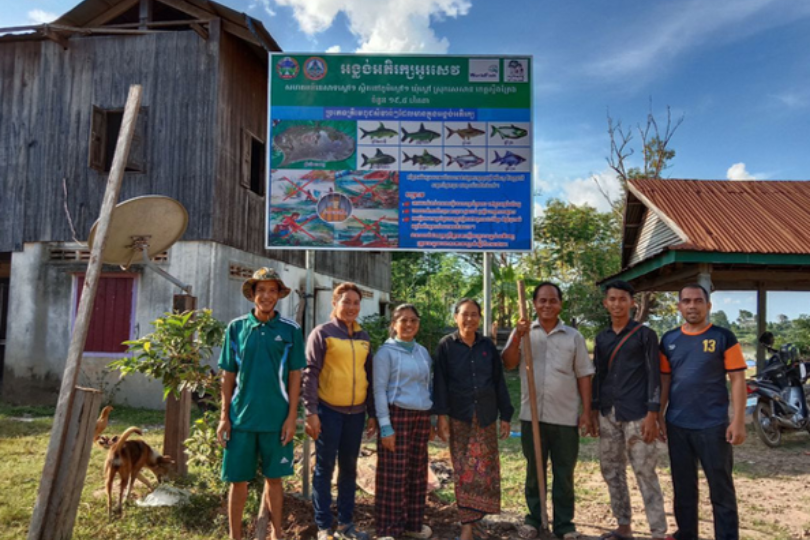
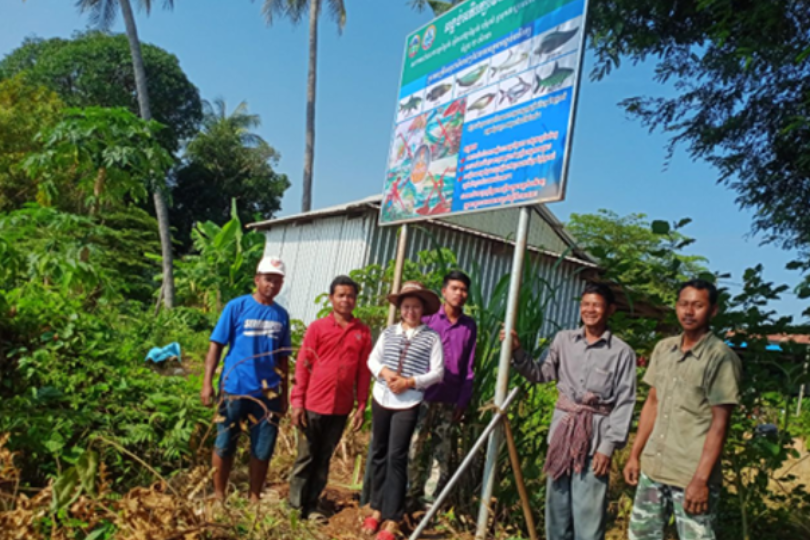
In a part of awareness raising to community members on deep pool conservation boundary, in 2021 youths collaborated with Samkhouy local authorities to install the Yay Ey deep pool conservation in Srea Tapan village, Samkhouy commune, Sesan district, Stung Treng province that it was participated from Samkhouy commune councilor, Samkhouy commune police and Srea Tapan youths representative. Under small grant, Srea Tapan CFi committee has proposed some activity to conduct the awareness raising to community members on their deep pool conservation boundary because in conservation area is not allowed for fishing if someone do the fishing in deep pool conservation will be punished by CFi committee bases on Srea Tapan by-law.

15 Jul
EMPOWERING INDIGENOUS YOUTHS IN FOREST CONSERVATION: A CASE STUDY FROM ABOUNLEU CPA

Donor :   Forumciv

Project : Fisheries Conservation by Community Fisheries in Mekong and its tributaries in Stung Treng, Cambodia

Date : 2021

In the heart of Mondulkiri’s forests, Indigenous communities face mounting threats from deforestation, illegal logging, and climate change. In response, My Village Organization (MVi) launched an initiative to empower Indigenous Women Groups (IWGs) and Indigenous Youth Groups (IYGs), nurturing their role as environmental stewards.

Over 50 Indigenous women and youths in the Or Boun Leu Community Protected Area (CPA) received training in sustainable forest management, GPS tracking, and data collection. These efforts enabled 52 forest patrols, uncovering 33 illegal logging incidents and dismantling 64 wildlife traps. Beyond enforcement, the project built capacity, igniting youth leadership and integrating traditional knowledge with modern conservation strategies.

“I don’t just see trees—I see it as my future, my IP culture, and my home,” shared 24-year-old Sy Soktho, an IYG member and CPA Committee representative. Through hands-on forest patrols and school-based outreach, Soktho and her peers helped raise awareness on biodiversity, responsible land use, and climate change adaptation, linking generations through shared responsibility.

The Enhancing Indigenous Youth and Indigenous Women Participation in Community Protected Area Forest Monitoring and Climate Change Adaptation in Mondulkiri Project (EIPCC) promoted trust and collaboration between communities and local authorities. It ensured that Indigenous voices shaped conservation efforts, preserving both ecological integrity and cultural heritage.

Community members like Mr. Sat Sot, a senior CPA representative, expressed deep pride in the youth-led transformation: “Seeing our youth and women take the lead gives me great hope. Conservation is not just a responsibility—it’s a way of life.”

15 Jul
INCLUSIVE GOVERNANCE IN ACTION: Indigenous Women Shaping Local Development

Historically sidelined from governance, Indigenous communities in Mondulkiri, Cambodia, are now reclaiming their seat at the policy table discussion. This transformative initiative was supported by My Village Organization (MVi). Through the Enhancing Indigenous Youth and Indigenous Women Participation in Community Protected Area Forest Monitoring and Climate Change Adaptation (EIPCC) project, over 50 Indigenous women and youth were trained in policy literacy, advocacy, and strategic dialogue with local authorities.

I vividly remember my first commune meeting—where my voice didn’t just echo, it mattered. This wasn’t symbolic inclusion; it led to real change. As a result of our active participation, 100% of targeted Commune Investment Plans (CIPs) now integrated Indigenous priorities like forest protection and climate resilience.

One powerful voice in this transformation is Ms. Khe Sreypin, a 27-year-old member of O’Nglav Community Protected Area (CPA) Committees, who declared, “When decisions about my land are made, I must be at the discussion table, not just watching from the sidelines.” Her leadership helped move CPA plans from community discussion to official policy.

This initiative didn’t just influence documents—it sparked a cultural shift. Dialogue between Indigenous communities and commune councils became more transparent and equitable. Women and youth are now decision-makers, not observers, and their perspectives inform every stage of development.

Mr. Man Ream, commune chief of Sray Huy, affirmed this evolution: “Today, CPA members, especially women, are actively engaged in CIP processes, ensuring our forests are protected for future generations.”

15 Jul
RESILIENCE AFTER RESETTLEMENT: THE LEADERSHIP JOURNEY OF MRS. DON CHORVY

In Srea Sronuk village of Stung Treng province, Mrs. Don Chorvy stands as a powerful symbol of resilience and advocacy. Following the resettlement of her community due to the Srea Pok III hydropower dam, she emerged as a key voice for those grappling with the aftermath of large-scale development.

Resettlement brought profound disruption. Families faced inadequate housing, school closures, teacher shortages, and limited access to health services. The community also lost forested areas, vital wildlife habitats, and parts of their ancestral culture. Fishing became difficult due to sedimentation and degraded water quality, while changes in the river’s regime led to declines in fish species. These shifts fractured community unity and deepened economic insecurity.

Despite these hardships, Mrs. Chorvy transformed adversity into action. With support from My Village Organization (MVi) and other networks, she received capacity-building and technical training that enhanced her leadership skills. Her advocacy gained national visibility when, in December 2024, she participated in a national forum to share lived experiences of displaced women and families along the Sesan River.

Her testimony resonated. By clearly articulating the gendered impacts of resettlement, Mrs. Chorvy encouraged dialogue among stakeholders and authorities. As a result, several key concerns raised by the community—particularly relating to education, livelihoods, and cultural preservation—received renewed attention and commitments for redress.

Today, Mrs. Chorvy’s transformation from a displaced villager to an influential community leader exemplifies the power of grassroots leadership in shaping equitable development. Her journey demonstrates the importance of giving women space, support, and platforms to participate meaningfully in decision-making processes—especially in the context of development projects that fundamentally alter lives. Her voice continues to guide Srea Sronuk toward a more inclusive and resilient future.

15 Jul
FROM HESITATION TO LEADERSHIP: A WOMAN’S VOICE IN WATER GOVERNANCE

In Koh Snaeng village, nestled along the Mekong River, 26-year-old fisherwoman Mrs. Korn Samdorn once lived quietly, her daily life shaped by the river’s rhythms. Like many women in her community, she had never participated in public discussions or development activities—until the My Village Organization (MVi) introduced a project grounded in Feminist Participatory Action Research (FPAR).

Initially hesitant, Mrs. Samdorn was invited to attend an FPAR workshop where she discovered the value of her lived experiences. “I never imagined my thoughts as a woman fisher could shape decisions. But the facilitators made me feel heard,” she recalled.

That experience sparked transformation. Mrs. Samdorn became an active member of the community research team, documenting changes in fish populations, water levels, and ecological trends. Group discussions with women and youth leaders revealed shared challenges—declining fish stocks, polluted waterways, and limited access to clean water. Together, they identified root causes and co-created solutions.

Through the project, Mrs. Samdorn gained the confidence to speak up at community meetings and engage with local authorities on water resource governance. “Before, I stayed silent. Now, I know my voice matters,” she said. She began sharing research findings at sub-national workshops in Kratie and Stung Treng, amplifying the concerns of women fishers across the region.

Through the project, Mrs. Samdorn gained the confidence to speak up at community meetings and engage with local authorities on water resource governance. “Before, I stayed silent. Now, I know my voice matters,” she said. She began sharing research findings at sub-national workshops in Kratie and Stung Treng, amplifying the concerns of women fishers across the region.

Mrs. Samdorn’s evolution—from isolated voice to respected advocate—reflects the transformative power of inclusive approaches like FPAR. By centering the perspectives of women, youth, and Indigenous Peoples, the initiative has not only strengthened local water governance but also sparked personal empowerment.

Her story serves as a testament to what’s possible when marginalized voices are invited to lead. From monitoring river changes to influencing policies, Mrs. Samdorn now helps shape a future where every woman’s perspective can guide sustainable water management.

15 Jul
EMPOWERING WOMEN IN FISHERIES: MRS. SEN SOVAN’S JOURNEY TO ECOLOGICAL LEADERSHIP

In O’Rey village of Thala Borivat District, Stung Treng Province, Mrs. Sen Sovan—once a quiet fisherwoman balancing household responsibilities—has become a prominent leader in community-based fisheries management.

Encouraged by her local Community Fisheries Committee, Mrs. Sovan stepped into a training role, sharing knowledge about integrating fish ecology into local fisheries management. But her path wasn’t easy. Like many women in rural Cambodia, she faced significant barriers—limited formal education, domestic expectations, lack of confidence, and gender-based discrimination.

Support from My Village Organization (MVi) and Oxfam proved transformative. Through capacity-building workshops, forums, and leadership training grounded in fish ecosystem management, Mrs. Sovan gained technical skills and the confidence to lead. She participated in planning signage for protected areas, conducted awareness-raising sessions on ecosystem-based fisheries, and helped coordinate the integration of ecological principles into the community’s fisheries project.

Her efforts extended beyond training. She facilitated community planning meetings to identify equipment needs for conservation, championed women’s participation in resource governance, and mentored younger women to take part in local decision-making processes.

“I urge all women to have courage,” she said. “Even if there’s no income, our voices deserve space in community work. Together, we must care for our fisheries—for sustainability and for our children.”

Today, Mrs. Sen Sovan’s story illustrates how women’s leadership, when nurtured through inclusive support, can reshape natural resource management. Her journey stands as a testament to the power of grassroots action, local wisdom, and gender equity in achieving sustainable development.

15 Jul
WOMEN LEADING CHANGE: MRS. DORN CHORVY ADVANCES FISH CATCH MONITORING IN SREA SRONUK

At just 23, Mrs. Dorn Chorvy from Srea Sronuk village, Stung Treng province, has emerged as a committed leader in sustainable fisheries. A mother of two, she balances daily fishing and farming to support her daughters’ education.

Life hasn’t been easy—Chorvy left school to care for her ill mother and faced numerous challenges, including limited confidence and recognition as a young woman in leadership.

In 2020, during a time when COVID-19 restrictions, illegal fishing, and land disputes disrupted the community, Chorvy was selected as a women’s leader. Yet early on, she often felt her voice went unheard. “I used to lose confidence,” she recalled, “because even when I was invited to meetings, my ideas were not accepted.”

Support from My Village Organization (MVi) and Oxfam marked a turning point. With technical guidance and funding, Chorvy received training, coaching, and networking opportunities that strengthened both her confidence and technical capacity. One key area was fish catch monitoring—a vital tool in sustainable fisheries management.

Initially, Chorvy lacked confidence to facilitate data collection with local fishers and worked alone. But after months of training and hands-on experience, she gained expertise and even conducted echo-trainings for other community members. Her field efforts—tracking species, recording catch volumes, and engaging with stakeholders—demonstrated how empowered women leaders can contribute to ecological knowledge and resource governance.

“I’m proud of my role,” she said. “I’m committed to doing my best, and I sincerely thank MVi, Oxfam, and the local authorities for their trust and support.”

Chorvy’s journey is a testament to the transformative impact of inclusive leadership and capacity building. Her work not only advances sustainable fishing practices but also inspires other women to lead with courage and purpose.

15 Jul
Bushmeat is not good for health, please join together to stop eating and buying bushmeat

The perception that eating bushmeat can cure diseases or supplement health is not right. However, continuing to eat bushmeat can cause serious risks (even death) for your health. Participate in talking about the negative impacts of eating and trading bushmeat together for the safety, health of you and your family, help protect and preserve our environment and natural resources.

#Talk2ProtectOurWildlife​​​​​ #SayNoBushmeat #NegativeImpactOfBushmeatOnHumanHealth #TogetherForCambodiaWildlife #TimeToStandUpForTheWildlife​ ​#TogetherWeSaveOurWildlife ​​#WildlifeIsnotMadicine

  • 1
  • 2
This site is registered on wpml.org as a development site.