info@mvicambodia.org 0979519123/0889517123

Our Projects

16 Jun
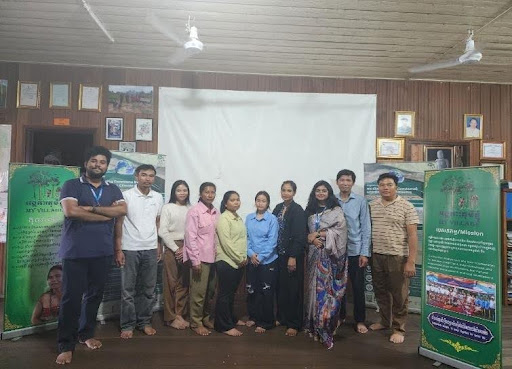
Reflecting, Learning and Moving Forward: MVi Organizes Internal Knowledge Sharing and Reflection Session under the MLNP Project
Project  : Reflecting, Learning and Moving Forward: MVi Organizes Internal Knowledge Sharing and Reflection Session under the MLNP Project
Location : Stung Treng Province, Cambodia

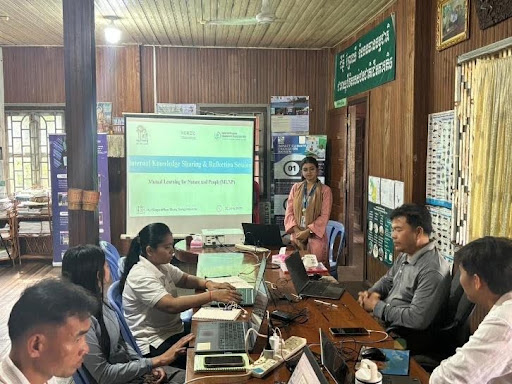
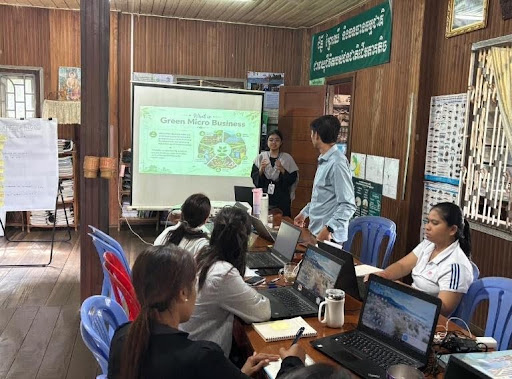
Continuous learning is essential for delivering meaningful and sustainable development outcomes. Guided by this principle, My Village Organization (MVi) successfully organized an Internal Knowledge Sharing and Reflection Session under the Mutual Learning for Nature & People (MLNP) Project, creating a platform for staff and project participants to reflect on experiences, celebrate achievements, identify challenges, and strengthen future project implementation.

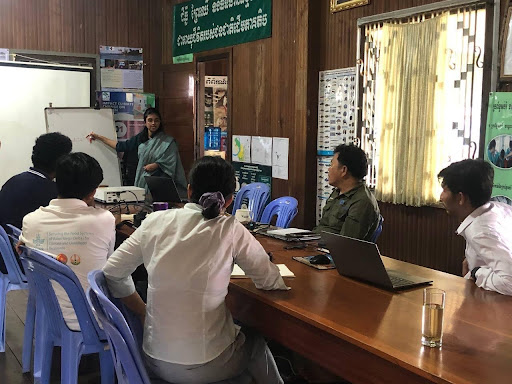
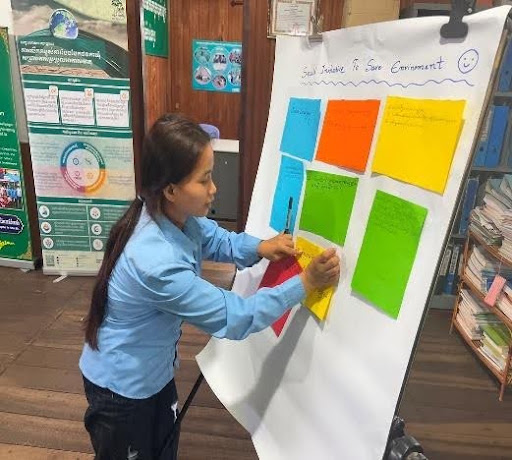
The session focused on reviewing the progress made during the first three months of the project, encouraging participants to critically examine what worked well, what challenges emerged, and how valuable lessons could be translated into improved practices. Rather than simply reviewing completed activities, the event promoted a culture of continuous learning, collaboration, and adaptive management, enabling participants to collectively identify practical solutions for enhancing programme quality and organizational performance.

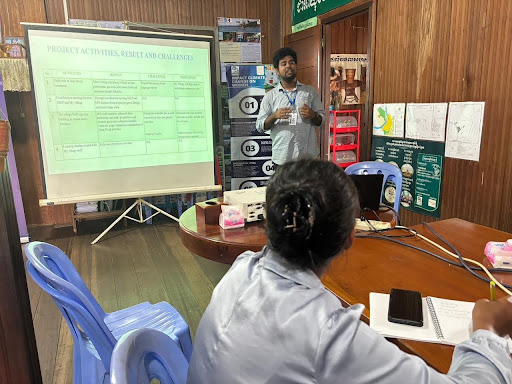
Throughout the discussions, participants reflected on key project interventions, including staff capacity-building initiatives, Green Micro-Business (GMB) development, business planning, action plan development, guideline and manual preparation, climate action, renewable energy, tools development, and climate adaptation planning. Experiences from field visits, coordination meetings, and staff training were also shared, allowing participants to connect technical knowledge with real implementation experiences and identify opportunities for further improvement.

A significant outcome of the session was the collective reflection on implementation challenges and the practical solutions adopted throughout the project’s early stages. Participants discussed issues such as language barriers, coordination, and scheduling constraints, while highlighting how teamwork, regular communication, and collaborative problem-solving helped maintain project progress. The session reinforced the value of documenting lessons learned and applying those insights to improve future interventions.

The meeting also provided an opportunity to review project implementation against the approved MLNP Project Gantt Chart, confirming that planned activities had progressed according to schedule while identifying priorities for the months ahead, including business plan development, awareness-raising activities, entrepreneur training, business monitoring, and documentation of best practices.

More than a routine review meeting, the Internal Knowledge Sharing and Reflection Session demonstrated MVi’s commitment to becoming a learning organization—one that continuously improves by listening, reflecting, and adapting. By strengthening collaboration and promoting evidence-based decision-making, the session has further enhanced MVi’s capacity to deliver climate-resilient, community-driven, and sustainable development initiatives for indigenous communities in Stung Treng Province.

MVi extends its sincere appreciation to the Project Participants of SEEP and all staff members for their active participation, openness, and commitment to mutual learning. Their collective knowledge and shared experiences continue to strengthen the partnership and contribute to the successful implementation of the MLNP Project.

16 Jun
Sharing Ideas, Building Partnerships: WorldFish Visits MVi to Explore Green Micro-Business Initiatives

My Village Organization (MVi) recently welcomed representatives from WorldFish for a coordination and knowledge exchange meeting at its office in Stung Treng Province. The meeting provided an opportunity for both organizations to exchange experiences, discuss their ongoing initiatives, and explore areas of mutual interest in promoting sustainable and climate-resilient community development.

During the meeting, representatives from WorldFish expressed keen interest in learning about the Green Business and Green Micro-Business (GMB) ideas developed by the MLNP Project Participants. In response, the Project Participants presented a range of innovative business concepts, explaining their objectives, implementation approaches, and potential contributions to improving household incomes while promoting environmental sustainability.

The discussions highlighted several environmentally friendly business models, including climate-smart agriculture, sustainable farming systems, renewable energy applications, efficient resource management, and value-added livelihood opportunities. The Project Participants also demonstrated how these business ideas are designed to address local challenges by creating income-generating opportunities, strengthening climate resilience, and encouraging the sustainable use of natural resources.

The WorldFish representatives appreciated the innovative concepts and actively engaged in discussions on their technical feasibility, market potential, and long-term sustainability. They also shared valuable insights and practical recommendations to further strengthen the proposed business ideas and enhance their potential impact at the community level.

Beyond the exchange of ideas, the meeting reinforced the importance of collaboration, knowledge sharing, and mutual learning among development organizations. Both organizations recognized that combining local experience with technical expertise can foster more innovative, practical, and sustainable solutions for community development.

The meeting concluded with a shared commitment to maintaining close communication and exploring future opportunities for collaboration. MVi believes that such knowledge exchange initiatives not only strengthen institutional partnerships but also inspire innovation and contribute to developing environmentally sustainable, economically viable, and community-driven livelihood opportunities for the people of Stung Treng Province.

16 Jun
Driving Practical Solutions for Climate-Resilient Livelihoods: MVi Organizes the Second Staff Capacity Building Training under the MLNP Project
Project  : Driving Practical Solutions for Climate-Resilient Livelihoods: MVi Organizes the Second Staff Capacity Building Training under the MLNP Project
Location : Stung Treng Province, Cambodia
Date : 16 June 2026

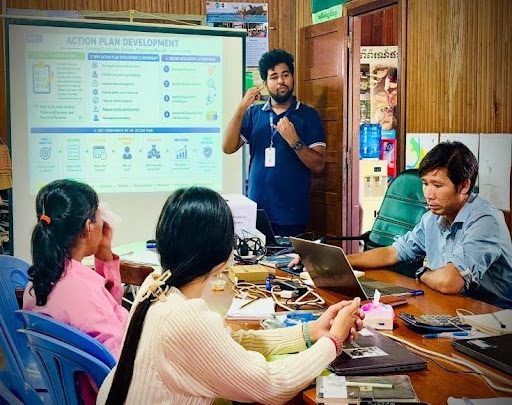
Recognizing that sustainable community development requires not only knowledge but also practical skills and innovative thinking, My Village Organization (MVi) successfully organized its Second Staff Capacity Building Training on 16 June 2026 under the Mutual Learning for Nature & People (MLNP) Project. Titled “MVi Capacity Building Training: Empowering Staff to Drive Climate Action and Sustainable Development Goals (SDGs) through Green Micro-Business Development for Local Communities, Facilitated by the Project Participants of the Social & Economic Enhancement Programme (SEEP), the training focused on transforming climate-smart ideas into practical and market-oriented solutions that can be applied to strengthen green livelihoods and community resilience in Stung Treng Province.

Unlike the first training, which introduced the foundations of climate change and sustainable development, this second session emphasized how those concepts can be translated into real community actions and Green Micro-Business opportunities. Through practical discussions and experience sharing, participants explored how renewable energy, sustainable agriculture, circular resource management, and enterprise development can work together to create environmentally responsible and economically viable livelihood models.
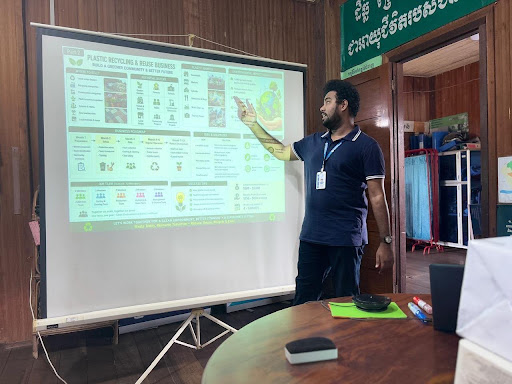
A key highlight of the programme was the introduction of renewable energy and solar panel waste management. Participants gained practical insights into responsible management of end-of-life solar panels through reuse, repair, refurbishment, and recycling, while also exploring how renewable energy technologies can contribute to reducing environmental impacts and supporting sustainable rural development. The training reinforced the importance of adopting resource-efficient practices that minimize waste and maximize the value of available materials.

The programme further demonstrated how multi-layer farming, organic farming, efficient waste management, and low-cost livestock feeding practices can improve productivity, restore soil health, conserve water, and reduce production costs. Rather than presenting these as individual technologies, the sessions illustrated how they can be integrated into climate-smart farming systems that strengthen food security and generate sustainable income for local communities. Participants were also introduced to practical business development tools, enabling them to identify local opportunities, assess available resources, and develop environmentally sustainable Green Micro-Business initiatives that respond to local needs.

To broaden participants’ understanding of enterprise development, the facilitators used the Bangladesh farming process as a practical learning model to demonstrate the complete agricultural value chain—from production planning and crop management to post-harvest handling, storage, transportation, marketing, and value addition. The training concluded by examining the opportunities and challenges of Green Micro-Business development in Stung Treng and identifying practical strategies to strengthen market access, improve business resilience, and create long-term economic opportunities through locally driven solutions.

By combining technical knowledge with practical business approaches and field experiences shared by the SEEP Project Participants, the training strengthened MVi staff’s capacity to facilitate climate-resilient, market-oriented, and environmentally sustainable livelihood initiatives. As the second staff capacity building training under the MLNP Project, the programme reaffirmed MVi’s commitment to continuous organizational learning and to equipping its staff with the knowledge and skills needed to support resilient indigenous communities and sustainable local development across Stung Treng Province.

02 Jun
MVi Strengthens Staff Capacity on Climate Change and Green Micro-Business through the First Capacity Building Training under the MLNP Project
Project  : MVi Strengthens Staff Capacity on Climate Change and Green Micro-Business through the First Capacity Building Training under the MLNP Project
Location : Stung Treng Province, Cambodia
Date : 02 June 2026

As part of its commitment to strengthening organizational capacity and promoting sustainable community development, My Village Organization (MVi) organized its First Staff Capacity Building Training on 2 June 2026 under the Mutual Learning for Nature & People (MLNP) Project. Titled “MVi Capacity Building Training: Empowering Staff to Drive Climate Action and Sustainable Development Goals (SDGs) through Green Micro-Business Development for Local Communities,” the training was facilitated by the Project Participants of the Social & Economic Enhancement Programme (SEEP). The event marked the beginning of a series of organizational learning initiatives designed to enhance the technical knowledge, practical skills, and professional competencies of MVi staff, enabling them to better support climate-resilient and sustainable livelihoods within local communities.

The training aimed to enhance staff knowledge and technical capacity on Climate Change, Sustainable Development Goals (SDGs), Green Micro-Business, Cambodia’s climate context, and climate adaptation strategies. Through interactive presentations, group discussions, and experience-sharing sessions, participants strengthened their understanding of how climate change affects communities and how sustainable development approaches can contribute to building resilient livelihoods.

A key focus of the training was Green Micro-Business, where participants explored environmentally friendly livelihood options such as organic farming, tree nurseries, compost production, waste recycling, renewable energy, sustainable fisheries, and eco-friendly food processing. The sessions highlighted how these initiatives can create income opportunities while protecting natural resources and supporting sustainable local development.

Participants also learned about Cambodia’s climate history, changing rainfall patterns, rising temperatures, and the specific climate challenges facing Stung Treng Province. These discussions helped staff better understand local climate risks and identify practical adaptation measures that can be integrated into community-based development programmes.

One of the most valuable aspects of the training was the peer-learning approach, where the SEEP Project Participants shared their practical experiences and lessons learned from implementing the MLNP Project. This exchange of knowledge encouraged collaborative learning, strengthened institutional capacity, and equipped MVi staff with practical insights that can be applied in future project implementation.

As the first staff capacity-building initiative under the MLNP Project, the training laid a strong foundation for future organizational learning. MVi believes that investing in staff development is essential for improving programme quality and delivering more effective, climate-resilient, and sustainable development interventions for indigenous communities in Stung Treng Province.

MVi sincerely appreciates the valuable contributions of the Project Participants of SEEP for sharing their expertise and practical experiences. Their support reflects the spirit of mutual learning that lies at the heart of the MLNP Project and continues to strengthen collaboration between partner organizations.

15 Jul
SBCC និងការកាត់បន្ថយការប្រើប្រាស់គ្រឿងសង្ហារិមដែលផលិតចេញពីឈើប្រណិត

ម្ចាស់ជំនួយ៖ USAID
គម្រោង៖ សកម្មភាពយុវជន ដើម្បីការអភិរក្សបរិស្ថាន និងជីវចម្រុះ
ការបណ្តុះបណ្តាលស្តីអំពី៖ SBCC និងការកាត់បន្ថយការប្រើប្រាស់គ្រឿងសង្ហារិមដែលផលិតចេញពីឈើប្រណិត
កាលបរិច្ចេទ៖ ថ្ងៃទី២៧ មិនា – ១៥ ឧសភា ឆ្នាំ ២០២២

ដោយមើលឃើញថាការគម្រាមកំហែងទៅលើព្រៃឈើ សត្វព្រៃ និងជីវចម្រុះ គឺជាបញ្ហាដ៏សំខាន់បំផុតក្នុងតំបន់ទេសភាពភាគខាងកើតនៃប្រទេសកម្ពុជា។ អង្គការភូមិខ្ញុំ ជាអង្គការក្រៅរដ្ឋាភិបាល ដែលអនុវត្តសកម្មភាពជាច្រើន ដើម្បីអភិរក្សធនធាន​ធម្មជាតិតាមរយះការផ្តល់សិទ្ធិអំណាចដល់សហគមន៍ជនជាតិដើមភាគតិចដូចជា សហគមន៍តំបន់ការពារធម្មជាតិ បណ្តាញស្រ្តីជនជាតិដើម្បីភាគតិច និងបណ្តាញយុវជនជនជាតិដើម្បីភាគតិច។ 

គម្រោង៖ សកម្មភាពយុវជន ដើម្បីការអភិរក្សបរិស្ថាន និងជីវចម្រុះ បានផ្តោតសំខាន់លើការចូលរួមពីយុវជន ដើម្បីបង្កើនសមត្ថភាពនៃការផ្សព្វផ្សាយអំពីព្រៃឈើ សត្វព្រៃ ជីវចម្រុះ និងបរិស្ថាន ឲ្យទូលំទូលាយ ជាពិសេសទៅដល់សហគមន៍មូលដ្ឋានប្រកដដោយប្រសិទ្ធិភាព។ 

តាមរយៈបញ្ហាខាងលើ អង្កការភូមិខ្ញុំ បានធ្វើការរៀបចំវគ្គបណ្តុះបណ្តាលស្តីពី៖ “ការកាត់បន្ថយការប្រើប្រាស់គ្រឿងសង្ហារិមដែលផលិតចេញពីឈើប្រណិត” សម្រាបយុវជនទាំង ១៣ សាលា ដែលស្ថិតនៅក្នុងតំបន់គោលដៅ នៃខេត្តមណ្ឌលគិរី ដើម្បីយុវជនដែលទទួលបានចំណេះដឹងពីវគ្គបណ្តុះបណ្តាលនេះ យកទៅប្រើប្រាស់ក្នុងការចូលរួមសកម្មភាពនានា ពាក់ព័ន្ធទៅនឹង ការគាំពារ និងអភិរក្ស ព្រៃឈើ។ គោលបំណងវគ្គ    បណ្តុះបណ្តាលនេះ គឺចង់ចូលរួមចំណែក 

  • បង្កើនការយល់ដឹងពីគុណសម្បត្តិរបស់ព្រៃឈើ និងជីវចម្រុះ
  • បង្កើនការយល់ដឹងពីផលប៉ះពាល់ពីការប្រើប្រាស់គ្រឿងសង្ហារិមធ្វើពីឈើប្រណិត
  • បង្កើនឥរិយាបថវិជ្ជមានដល់អ្នកចូលរួម និងចែករំលែកបន្តទៅកាន់ មិត្តភក្តិ ក្រុមគ្រួសារ ក៏ដូចជាទៅកាន់សហគមន៍របស់គាត់ តាមរយៈការផ្លាស់ឥរិយាបទក្នុងសង្គម (SBCC)

ការចូលរួមរបស់យុវជនសរុបមានចំនួន ៣២៥ នាក់ (ស្រ្តី ២២៦) យុវជនជាជនជាតិដើមភាគតិច ១៥៩ នាក់ (ស្ត្រី ១១៦)។ តាមរយៈការធ្វើតេសត្តសាកល្បងសមត្ថភាពយុវជន យើងសង្កេតឃើញថា មុនពេលទទួលបានវគ្គបណ្តុះបណ្តាល យុវជន មានការយល់ដឹងប្រមាណតែជាង ៤៣ ភាគរយ ប៉ុណ្ណោះ ទាក់ទងទៅនឹង     ព្រៃឈើ និងការប្រើប្រាស់គ្រឿងសង្ហារិមដែលផលិតចេញពីឈើប្រណិត។ ប៉ុន្តែ បន្ទាប់ពីទទួលបានវគ្តបណ្តុះបណ្តាលពីអង្គការភូមិខ្ញុំស្តីអំពី៖ ការកាត់បន្ថយការប្រើប្រាស់គ្រឿងសង្ហារិមដែលផលិតចេញពីឈើប្រណិត រួចមក យុវជនអាចយោលដឹងពីព្រៃឈើ ក៏ដូចជាបញ្ហារបស់គ្រឿងសង្ហារិមដែលផលិតចេញពីឈើប្រណិតរហូតដល់ ៨០ ភាគរយ។ បន្ថែមពីលើនេះ ឆ្លងតាមការបណ្តុះបណ្តាលមួយនេះ យុវជនបានតាំងចិត្តថានឹងកាត់បន្ថយការប្រើប្រាស់គ្រឿងសង្ហារិមដែលផលិតចេញពីឈើប្រណិត ពីមួយថ្ងៃទៅមួយថ្ងៃ ក៏ដូចជាជួយចែករំលែកពីចំណេះដឹងដែលគាត់ទទួលបានពីវគ្គបណ្តុះបណ្តាលនេះទៅកាន់ ឪពុកម្តាយ សាច់ញាតិ មិត្តភ័ក្រ និងសហគមន៍ ឲ្យបានកាន់តែបានកាន់តែច្រើនទៀត។ ម៉្យាងវិញទៀត វគ្គបណ្តុះបណ្តាលនេះ ក៏បានបង្កើនការគិតវិជ្ជមាន និងរបៀបក្នុងការនិយាយពីបញ្ហាព្រៃឈើ និងគ្រឿងសង្ហារិមដែលផលិតចេញពីឈើប្រណិត ទៅកាន់បងប្អូនសាច់ញាតិក្រុមគ្រួសារ មិត្តភ័ក្រ និងសហគមន៏ ដើម្បីចូលរួមកាត់បន្ថយការប្រើប្រាស់គ្រឿងសង្ហារឹមដែលធ្វើចេញពីឈើប្រណិត ជួយអភិរក្សព្រៃឈើ ជីវចម្រុះ និង  បរិស្ថាន។ ចំណែកវិធីសាស្រ្តដែលអនុវត្តមានជោគជ័យនៅក្នុងវគ្គបណ្តុះបណ្តាលមួយនេះរួមមាន ការពិភាក្សាជាក្រុម ការឡើងធ្វើបទបង្ហាញ ការធ្វើសំណួរចម្លើយរវាងក្រុមនីមួយៗ (Q&A) ការទស្សនាវីដេអូអប់រំខ្លីៗ និងការឡើងសម្តែង (Role Play) ដែលអាចជួយ ជម្រុញឲ្យយុវជនកាត់បន្ថយភាពខ្មាស់អៀន ឬភ័យខ្លាច និងមានភាពក្លាហានក្នុងការបញ្ចេញមតិ ជាពិសេសការសម្តែងបានជួយអោយយុវជនមានការចងចាំ និងយល់ដឹងបានកាន់តែច្បាស់ពីទំនាក់ទំនងរវាងព្រៃឈើ និងគ្រឿងសង្ហារិមមដែលផលិតចេញពីឈើប្រណិត នៅក្នុងវគ្គបណ្តុះបណ្តាលមួយនេះ។ 

***ចំណាំ៖ សម្រាប់ការដាក់ពិន្ទុ លើការសាកស្បងសមត្ថភាពយុវជន មុន និងក្រោយវគ្គបណ្តុះបណ្តាល គឺប្រើប្រាស់កម្រិតវាយតម្លៃជាប្រាំលេខ ពិន្ទុទាបបំផុតគឺដំណាងឲ្យជាលេខ ១ និងពិន្ទុដែលខ្ពស់បំផុត​ គឺដំណាង ឲ្យលេខ ៥ សូមអរគុណ!

15 Jul
សកម្មភាពយុវជន ដើម្បីការអភិរក្សបរិស្ថាន និងជីវចម្រុះ

ម្ចាស់ជំនួយ៖ USAID
គម្រោង៖ សកម្មភាពយុវជន ដើម្បីការអភិរក្សបរិស្ថាន និងជីវចម្រុះ
ការបណ្តុះបណ្តាលស្តីអំពី៖ ការបណ្តុះបណ្តាលស្តីអំពី៖ ការកាត់បន្ថយការប្រើប្រាស់ និងបរិភោគសាច់សត្វព្រៃ
កាលបរិច្ចេទ៖ ថ្ងៃទី២៤ ខែកក្តដា – ១០ កញ្ញា ឆ្នាំ ២០២២

ការបរបាញ់ ការដាក់អន្ទាក់សត្វព្រៃខុសច្បាប់ គឺជាការគំរាមកំហែងដ៏ធំបំផុត ចំពោះសត្វព្រៃនៅប្រទេសកម្ពុជា។ តាំងពីដើមមកសាច់សត្វព្រៃ ត្រូវបានគេយល់ថាមានជីជាតិ មានឱជារស ប៉ូវកម្លាំង និងព្យាបាលជំងឺនានា តែផ្ទុយទៅវិញ ប្រសិនបើវិធីក្នុងការស្តុកទុក និងចម្អិនសាច់សត្វព្រៃមិនបានត្រឹមត្រូវ ជាកត្តាដែលអាចបង្ករគ្រោះថ្នាក់យ៉ាងខ្លាំងដល់ជីវិតអ្នកដែលប៉ះពាល់ សាច់ឆៅ និងអ្នកទទួលទានសាច់ទាំងនោះ។ កត្តាទាំងអស់នេះហើយ ដែលបណ្តាលឲ្យតម្រូវការសាច់សត្វព្រៃមានការកើនឡើង ដែលជម្រុញឲក្យមានសកម្មភាពនៃការបរបាញ់ និងដាក់អន្ទាក់ ដើម្បីផ្គត់ផ្គង់ទីផ្សារ និងតម្រូវការអ្នកហូប ឬទិញសាច់សត្វព្រៃ បើនៅមានអ្នកបរិភោគសាច់សត្វព្រៃ នោះសត្វព្រៃតែបន្តបាត់បង់ និងត្រូវបានសម្លាប់។ សត្វព្រៃមានតួនាទីសំខាន់ណាស់ ក្នុងខ្សែចង្វាក់ចំណីអាំហារក្នុងប្រព័ន្ធអេកូឡូស៊ីព្រៃឈើ។ ករណីមួយទៀត គឺជង្ងឺផ្លូវដង្ហើមកូវីដ-១៩ តាំងពីឆ្នាំ ២០១៩ បានឆក់យកជីវិតមនុស្សរាប់លាននាក់នៅទូទាំងពិភពលោក ក៏ត្រូវបានអ្នកវិទ្យាសាស្រ្តនៅអង្គការសុខភាពពិភពលោក សន្និដ្ឋានថា កើតពីសត្វប្រជៀវ និងសត្វប៉េងកូលីននៅតំបន់អាស៊ីអាគ្នេយ៍។ 

តាមរយៈបញ្ហាខាងលើ អង្កការភូមិខ្ញុំ បានធ្វើការរៀបចំវគ្គបណ្តុះបណ្តាលស្តីពី៖ ការកាត់បន្ថយការប្រើប្រាស់ និងបរិភោគសាច់សត្វព្រៃ ទៅដល់យុវជនទាំង ១៣សាលា ក្នុងខេត្តមណ្ឌលគីរី ដែលផ្តល់ជូនយុវជននូវចំណេះដឹងបន្ថែមអំពីផលប្រយោជន៏ និងផលប៉ះពាល់នៃការបាត់បង់សត្វព្រៃ និងដើម្បីផ្លាស់ប្តូរឥរិយាបថវិជ្ជមានក្នុងការជួយអភិរក្សសត្វព្រៃ និងការពារជីវចម្រុះនៅកម្ពុជា។ គោលបំណងវគ្គបណ្តុះបណ្តាលនេះ គឺចង់ចូលរួមចំណែក 

  • អ្នកចូលរួមយល់ដឹងពី ផលប៉ះពាល់ពីការបរិភោគសាច់សត្វព្រៃទៅលើសុខភាពមនុស្ស
  • អ្នកចូលរួមយល់ពីមូលហេតុ ឬកត្តាដែលបណ្តាលឲ្យមានការបាត់បង់សត្វព្រៃ
  • បង្កើនឥរិយាបថវិជ្ជមានដល់អ្នកចូលរួម និងចែករំលែកបន្តទៅកាន់ មិត្តភក្តិ ក្រុមគ្រួសារ ក៏ដូចជាទៅកាន់សហគមន៍របស់គាត់ តាមរយៈការផ្លាស់ឥរិយាបទក្នុងសង្គម (SBCC)

ការចូលរួមរបស់យុវជនសរុបមានចំនួន ៣២៩ នាក់ (ស្រ្តី ២០៥) យុវជនជាជនជាតិដើមភាគតិច ១៦៧ នាក់ (ស្ត្រី ១១៧)។ តាមរយៈការធ្វើតេសត្តសាកល្បងសមត្ថភាពយុវជន យើងសង្កេតឃើញថា មុនពេលទទួលបានវគ្គបណ្តុះបណ្តាល យុវជន មានការយល់ដឹងអំពីផលប៉ះពាល់ពីការប្រើប្រាស់ ការបរិភោគសាច់សត្វព្រៃ និងគោលបំណងអំពី SBCC TOOLKIT FOR THEME TOW ស្ថិតនៅក្នុងកម្រិត ខ្សោយ ( ៤៥.៨១ ភាគរយ) និងធម្យម (៤៧.២៦ ភាគរយ) ប៉ុណ្ណោះ។ បន្ថែមពីនេះ មុនពេលវគ្គបណ្តុះបណ្តាល យុវជនស្ម័គ្រចិត្ត ភាគច្រើនដឹងត្រឹមថា ការពារ និងអភិរក្សសត្វព្រៃ គឺដើម្បីកុំឲ្យសត្វព្រៃដាច់ពូជ និងសម្រាប់អ្នកជំនាន់ក្រោយបានស្គាល់សត្វព្រៃយើងប៉ុណ្ណោះ។ ប៉ុន្តែបន្ទាប់ពីទទួលវគ្គបណ្តុះបណ្តាលមួយនេះ ចំណេះដឹងរបស់យុវជនមានការកើនឡើងប្រសើរជាងមុន បើប្រៀបធៀប មុនពេលដែលទទួលបានការបណ្តុះបណ្តាល។ យុវជន ចាប់ផ្តើមមានការយល់ដឹងអំពីផលប៉ះពាល់ពីការប្រើប្រាស់ បរិភោគសាច់សត្វព្រៃ និងវិធីសាស្ត្រក្នុងការប្រើប្រាស់ឧបករណ៍ផ្សព្វផ្សាយ SBCC TOOLKIT THEME TOW ស្ថិតនៅក្នុងកម្រិត ល្អ (៥០.០៥ ភាគរយ) និងល្អណាស់ (៣៦.៨៧ ភាគរយ)។ លើសពី ក្រោយការពេលបញ្ចប់វគ្គបណ្តុះបណ្តាល យុវជន បានយល់ដឹងអំពីអត្ថប្រយោជន៍ជាច្រើនទៀតរបស់សត្វព្រៃ ក្នុងការជួយគាំពារព្រៃឈើ តាមរយៈការលើកស្ទួយវិស័យអេកូទេសចរណ៍ ដែលជាប្រភពចំណូល យ៉ាងសំខាន់សម្រាប់សហគមន៍មូលដ្ឋាន និងយល់ដឹងកាន់តែច្បាស់ថា ការប្រើប្រាស់ និងការបរិភោគសាច់សត្វព្រៃ ពិតជាមានហានិភ័យខ្លាំងណាស់ ចំពោះសុខភាពមនុស្សជាតិ។ ចំណែកវិធីសាស្រ្តដែលអនុវត្តមានជោគជ័យនៅក្នុងវគ្គបណ្តុះបណ្តាលមួយនេះរួមមាន ការពិភាក្សាជាក្រុម ការឡើងធ្វើបទបង្ហាញ ការធ្វើសំណួរចម្លើយរវាងក្រុមនីមួយៗ (Q&A) ការទស្សនាវីដេអូអប់រំខ្លីៗ និងការឡើងសម្តែង (Role Play) ដែលអាចជួយជម្រុញឲ្យយុវជនកាត់បន្ថយភាពខ្មាស់អៀន ឬភ័យខ្លាច និងមានភាពក្លាហានក្នុងការបញ្ចេញមតិ ជាពិសេសការសម្តែងបានជួយអោយយុវជនមានការចងចាំ និងយល់ដឹងបានកាន់តែច្បាស់អំពីវគ្គបណ្តុះបណ្តាលមួយនេះ។  

***ចំណាំ៖ សម្រាប់ការដាក់ពិន្ទុ លើការសាកស្បងសមត្ថភាពយុវជន មុន និងក្រោយវគ្គបណ្តុះបណ្តាល គឺប្រើប្រាស់កម្រិតវាយតម្លៃជាប្រាំលេខ ដោយពិន្ទុទាបបំផុតគឺដំណាងឲ្យជាលេខ ១ និងពិន្ទុដែលខ្ពស់បំផុត​ គឺដំណាងឲ្យលេខ ៥ សូមអរគុណ!

15 Jul
ការអភិរក្សជលផលដោយសហគមន៍នេសាទទន្លេមេគង្គ និងដៃទន្លេក្នុងខេត្តស្ទឹងត្រែង ប្រទេសកម្ពុជា

Donor :   Forumciv

Project : Fisheries Conservation by Community Fisheries in Mekong and its tributaries in Stung Treng, Cambodia

Date : 2021

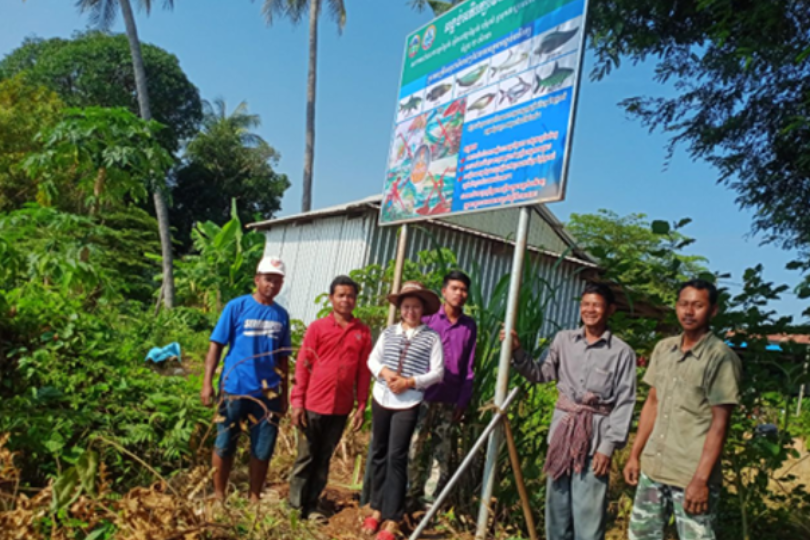
In a part of awareness raising to community members on deep pool conservation boundary, in 2021 youths collaborated with Samkhouy local authorities to install the Yay Ey deep pool conservation in Srea Tapan village, Samkhouy commune, Sesan district, Stung Treng province that it was participated from Samkhouy commune councilor, Samkhouy commune police and Srea Tapan youths representative. Under small grant, Srea Tapan CFi committee has proposed some activity to conduct the awareness raising to community members on their deep pool conservation boundary because in conservation area is not allowed for fishing if someone do the fishing in deep pool conservation will be punished by CFi committee bases on Srea Tapan by-law.

15 Jul
ការអភិរក្សជលផលដោយសហគមន៍នេសាទទន្លេមេគង្គ និងដៃទន្លេក្នុងខេត្តស្ទឹងត្រែង ប្រទេសកម្ពុជា

Donor :   Forumciv

Project : Fisheries Conservation by Community Fisheries in Mekong and its tributaries in Stung Treng, Cambodia

Date : 2021

In a part of awareness raising to community members on deep pool conservation boundary, in 2021 youths collaborated with Samkhouy local authorities to install the Yay Ey deep pool conservation in Srea Tapan village, Samkhouy commune, Sesan district, Stung Treng province that it was participated from Samkhouy commune councilor, Samkhouy commune police and Srea Tapan youths representative. Under small grant, Srea Tapan CFi committee has proposed some activity to conduct the awareness raising to community members on their deep pool conservation boundary because in conservation area is not allowed for fishing if someone do the fishing in deep pool conservation will be punished by CFi committee bases on Srea Tapan by-law.

15 Jul
ការអភិរក្សជលផលដោយសហគមន៍នេសាទទន្លេមេគង្គ និងដៃទន្លេក្នុងខេត្តស្ទឹងត្រែង ប្រទេសកម្ពុជា

Donor :   Forumciv

Project : Fisheries Conservation by Community Fisheries in Mekong and its tributaries in Stung Treng, Cambodia

Date : 2021

In a part of awareness raising to community members on deep pool conservation boundary, in 2021 youths collaborated with Samkhouy local authorities to install the Yay Ey deep pool conservation in Srea Tapan village, Samkhouy commune, Sesan district, Stung Treng province that it was participated from Samkhouy commune councilor, Samkhouy commune police and Srea Tapan youths representative. Under small grant, Srea Tapan CFi committee has proposed some activity to conduct the awareness raising to community members on their deep pool conservation boundary because in conservation area is not allowed for fishing if someone do the fishing in deep pool conservation will be punished by CFi committee bases on Srea Tapan by-law.

15 Jul
INCLUSIVE GOVERNANCE IN ACTION: Indigenous Women Shaping Local Development

Historically sidelined from governance, Indigenous communities in Mondulkiri, Cambodia, are now reclaiming their seat at the policy table discussion. This transformative initiative was supported by My Village Organization (MVi). Through the Enhancing Indigenous Youth and Indigenous Women Participation in Community Protected Area Forest Monitoring and Climate Change Adaptation (EIPCC) project, over 50 Indigenous women and youth were trained in policy literacy, advocacy, and strategic dialogue with local authorities.

I vividly remember my first commune meeting—where my voice didn’t just echo, it mattered. This wasn’t symbolic inclusion; it led to real change. As a result of our active participation, 100% of targeted Commune Investment Plans (CIPs) now integrated Indigenous priorities like forest protection and climate resilience.

One powerful voice in this transformation is Ms. Khe Sreypin, a 27-year-old member of O’Nglav Community Protected Area (CPA) Committees, who declared, “When decisions about my land are made, I must be at the discussion table, not just watching from the sidelines.” Her leadership helped move CPA plans from community discussion to official policy.

This initiative didn’t just influence documents—it sparked a cultural shift. Dialogue between Indigenous communities and commune councils became more transparent and equitable. Women and youth are now decision-makers, not observers, and their perspectives inform every stage of development.

Mr. Man Ream, commune chief of Sray Huy, affirmed this evolution: “Today, CPA members, especially women, are actively engaged in CIP processes, ensuring our forests are protected for future generations.”

This site is registered on wpml.org as a development site.