info@mvicambodia.org 0979519123/0889517123

Our Projects

15 Jul
WOMEN LEADING CHANGE: MRS. DORN CHORVY ADVANCES FISH CATCH MONITORING IN SREA SRONUK

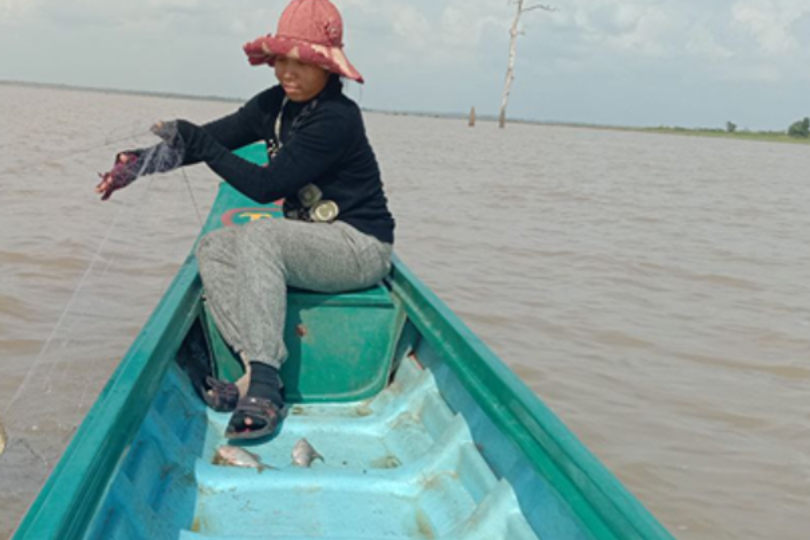
At just 23, Mrs. Dorn Chorvy from Srea Sronuk village, Stung Treng province, has emerged as a committed leader in sustainable fisheries. A mother of two, she balances daily fishing and farming to support her daughters’ education.

Life hasn’t been easy—Chorvy left school to care for her ill mother and faced numerous challenges, including limited confidence and recognition as a young woman in leadership.

In 2020, during a time when COVID-19 restrictions, illegal fishing, and land disputes disrupted the community, Chorvy was selected as a women’s leader. Yet early on, she often felt her voice went unheard. “I used to lose confidence,” she recalled, “because even when I was invited to meetings, my ideas were not accepted.”

Support from My Village Organization (MVi) and Oxfam marked a turning point. With technical guidance and funding, Chorvy received training, coaching, and networking opportunities that strengthened both her confidence and technical capacity. One key area was fish catch monitoring—a vital tool in sustainable fisheries management.

Initially, Chorvy lacked confidence to facilitate data collection with local fishers and worked alone. But after months of training and hands-on experience, she gained expertise and even conducted echo-trainings for other community members. Her field efforts—tracking species, recording catch volumes, and engaging with stakeholders—demonstrated how empowered women leaders can contribute to ecological knowledge and resource governance.

“I’m proud of my role,” she said. “I’m committed to doing my best, and I sincerely thank MVi, Oxfam, and the local authorities for their trust and support.”

Chorvy’s journey is a testament to the transformative impact of inclusive leadership and capacity building. Her work not only advances sustainable fishing practices but also inspires other women to lead with courage and purpose.
15 Jul
ទាំងអស់គ្នាដើម្បីការពារសត្វព្រៃយើង ការចូលរួមរបស់សហគមន៍ ការកាត់បន្ថយការជួញដូរ និងបរិភោគសាច់សត្វព្រៃ

សត្វព្រៃ មានតួនាទីសំខាន់ណាស់នៅក្នុងការជួយការពារបរិស្ថាន បេតិកភណ្ឌធម្មជាតិ និងវិស័យអេកូទេសចរណ៍ជាតិ ដែលជាប្រភពចំណូលមិនចេះរីងស្ងួតរបស់បងប្អូនសហគមន៍មូលដ្ឋាន និងសេដ្ឋកិច្ចជាតិ។

តើសហគមន៍មូលដ្ឋានផ្ទាល់ គួរតែចូលរួមអនុវត្តន៍អ្វីខ្លះ ដើម្បីការពារ និងកាត់បន្ថយការជួញដូរ និងបរិភោគសាច់សត្វព្រៃនៅកម្ពុជា? 

ចូលរួមនិយាយពីផលប៉ះពាល់ពីការបរិភោគ និងជួញដូរសាច់សត្វព្រៃទាំងអស់គ្នា ដើម្បីជួយការពារ និងអភិរក្ស    បរិស្ថាន សម្បត្តិធនធានធម្មជាតិ និងជម្រុញឲ្យវិស័យអេកូទេសចរណ៍ក្នុងស្រុកឲ្យកាន់តែមានកភាពរីកចម្រើនឡើងជាលំដាប់ ដើម្បីធានាបាននូវចីរភាពសេដ្ឋកិច្ចសហគមន៍មូលដ្ឋាន និងសេដ្ឋកិច្ចជាតិយើង។       

#រួមគ្នានិយាយដើម្បីការពារសត្វព្រៃ #និយាយថាទេចំពោះសាច់សត្វព្រៃ #សាច់សត្វព្រៃមិនប្រណីសុខភាពមនុស្ស #ទាំងអស់គ្នាដើម្បីអនាគតសត្វព្រៃកម្ពុជា #យុទ្ធនាការអន្ទាក់សូន្យ ​​#សត្វព្រៃមិនមែនជាឪសថព្យាបាល ជម្ងឺទេ

15 Jul
BRIDGING MARGINS: MR. SON BAI AMPLIFIES DISABLED VOICES IN RIVER GOVERNANCE

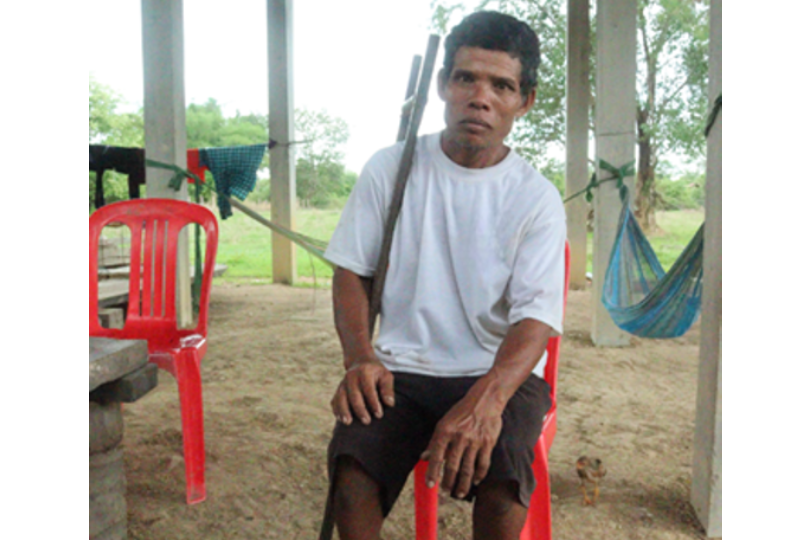
In the quiet village of Krom, nestled along the Mekong River in Stung Treng province, 46-year-old Mr. Son Bai lives with his wife and daughter in a modest household with no electricity or reliable water supply. A person with disability, his livelihood depends on farming, forestry, and fishing—activities that have grown increasingly difficult as local ecosystems deteriorate. Once residing on an island with abundant fish stocks, declining catches and weakened physical health forced Bai to relocate to the mainland, where fishing trips are longer and more strenuous.

Despite these challenges, Mr. Bai emerged as an active contributor to the IP2 project implemented by My Village Organization (MVi). His firsthand knowledge and experience became vital in shaping inclusive dialogue around cross-boundary river ecology and fisheries management.

During a community meeting focused on environmental changes, Mr. Bai shared insights on shifting fishing practices and ecological impacts in the Mekong. He later participated in a household interview, providing detailed accounts of declining fish stocks and the economic strain on his family. Recognizing the value of his voice, MVi invited him to a regional dissemination workshop—where he engaged directly with local authorities and other stakeholders.

This rare opportunity allowed Bai to express the lived reality of marginalized fishers with disabilities. His perspectives helped bridge the gap between community members and policymakers, calling attention to the pressing need for inclusive approaches to water governance and natural resource protection.

Through his involvement, Mr. Bai not only amplified the concerns of his community but also demonstrated how persons with disabilities can contribute meaningful insights to environmental decision-making. His story reminds us that inclusion isn’t just a principle—it’s a necessity for sustainable, equitable resource management.

15 Jul
ពង្រឹងសមត្ថភាពអង្គការសង្គមស៊ីវីលដើម្បីដំណោះស្រាយប្រកបដោយចីរភាព

ម្ចាស់ជំនួយ៖ សហភាពអ៊ឺរ៉ុប (EU)
គម្រោង៖ ពង្រឹងសមត្ថភាពអង្គការសង្គមស៊ីវីលដើម្បីដំណោះស្រាយប្រកបដោយចីរភាព
អនុវត្តដោយអង្គការដៃគូចំនួន៤គឺ៖ MVi | WWF | Oxfam | CLEC
កាលបរិច្ចេទ៖ ថ្ងៃទី ២៩ ខែ តុលា ឆ្នាំ ២០២២

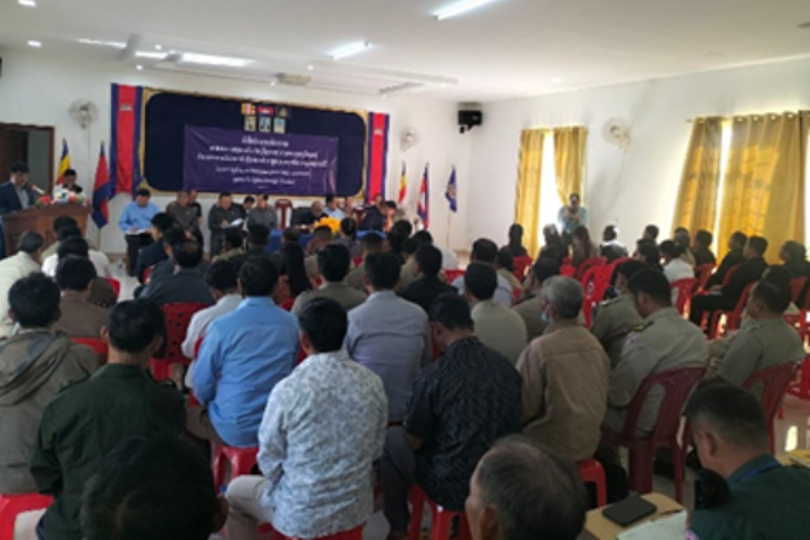
នេះជាផ្នែកមួយ នៃការធ្វើអោយប្រសើរឡើង សម្រាប់ការងារអភិវឌ្ឍន៍សហគមន៍តំបន់ការពារធម្មជាតិ ពូជ្រៃ ដែលស្ថិតនៅក្នុងឃុំពូជ្រៃ ស្រុកពេជ្រាដា ខេត្តមណ្ឌលគិរី។ នៅថ្ងៃទី ២៩ ខែ តុលា ឆ្នាំ ២០២០ ក្រុមការងារអង្គការភូមិខ្ញុំ បានធ្វើការប្រជុំជាមួយសហគមន៍តំបន់ការពារពូជ្រៃ ក្នុងគោលបំណង បង្ហាញ ពីលទ្ធផលការងារ សម្រាប់ការគ្រប់គ្រងសហគមន៍ដែលបានអនុវត្តកន្លងមក ដោយផ្តោតទៅលើ សសរស្តម្ភ​ ៤ សំខាន់ៗ គឺ៖១. ធនធានធម្មជាតិត្រូវបានថែរក្សា ២. សុខុមាលភាពសមាជិកសហគមន៍ត្រូវបានធ្វើអោយ ប្រសើរឡើង ៣. សុខុមាលភាពសហគមន៍ត្រូវបានធានា និង ៤. ការគាំទ្រពីខាងក្រៅ ដើម្បីប្រើប្រាស់ធ្វើជា​ឧបករណ៍សម្រាប់ការឆ្លុះបញ្ចាំងពីប្រសិទ្ធិភាពការងាររបស់សហគមន៍។ អ្នកចូលរួមសរុបមានចំនួន ១៥ រូប ស្រី ៧នាក់។ ជាលទ្ធផលក្រោយពីបញ្ចប់ការប្រជុំជាមួយសហគមន៍ យើងសង្កេតឃើញថា ការគាំទ្រពីខាងក្រៅ​ទទួលបាន ២.៨៣ ពិន្ទុ និងធនធានធម្មជាតិត្រូវបានថែរក្សាទទួលបាន ២.៧១ ពិន្ទុ និងសុខុមាលភាពសមាជិក​សហគមន៍ត្រូវបានធ្វើអោយប្រសើរឡើងទទួលបានពិន្ទុ ២.៤៣ ប៉ុន្តែសម្រាប់សុខុមាលភាពសហគមន៍ត្រូវបាន​ធានាទទួលបានតែ ១.៧៥ ពិន្ទុប៉ុណ្ណោះ។ តាមរយៈការប្រជុំមួយនេះ យើងអាចវាយតម្លៃបានថា ការគ្រប់គ្រង​របស់សហគមន៍តំបន់ការពារពូជ្រៃ គួរតែពង្រឹងបន្ថែមឲ្យបានកាន់តែខ្លាំង ចំពោះសសរស្តម្ភទី៣ ដែលផ្តោតលើ​សុខុមាលភាពសហគមន៍ត្រូវបានធានា។


ចំណាំ៖ សម្រាប់សរសរស្តម្ភនីមួយៗ គឺមានចំនួន ៤ ពិន្ទុ ដែលពិន្ទុ ១ ជាពិន្ទុដែលទាបជាងគេ និង៤ ជាពិន្ទុដែលខ្ពស់ជាងគេ ដើម្បីប្រើប្រាស់ធ្វើជាឧបករណ៍សម្រាប់​ ការឆ្លុះបញ្ចាំងពីប្រសិទ្ធិភាពការងាររបស់​សហគមន៍។

15 Jul
Pu Rang’s Path to Land Justice: Indigenous Advocacy Gains Senate Support

For years, the Punong Indigenous People of Pu Rang village—home to 64 families within the biodiverse Keo Seima Wildlife Sanctuary—have sought formal recognition of their ancestral lands.

Despite submitting applications for 21 parcels spanning 775.83 hectares, their Indigenous Collective Land Title (ICLT) was obstructed by unresolved land disputes with outsiders.

Tensions mounted as delays persisted, leading to discouragement and the threat of community disbandment. Yet in a pivotal moment on June 6, 2024, My Village Organization (MVi), alongside CLEC and CIPO, convened a high-level community meeting with a Ministry of Interior representative. This event reenergized the community’s determination to pursue land justice.

In 2023, MVi supported the Pu Rang community in petitioning the Senate to resolve a long-standing conflict over 255 hectares of contested land.

Their appeal urged intervention from both the Senate and provincial authorities, citing the barriers the dispute posed to securing their ICLT.

Initially met with hesitation due to internal challenges, the community stood firm, exemplifying resilience through organized advocacy.

The momentum continued. On September 19, 2024, the Ministry of Interior convened a multi-stakeholder meeting to gather facts and chart a resolution path. Encouraged to speak directly, Pu Rang representatives presented their grievances and supporting evidence. A follow-up meeting was held on January 31, 2025, signaling increased urgency and attention from national authorities.

Ultimately, Pu Rang’s unwavering efforts bore fruit: the 255-hectare dispute was resolved, clearing a major obstacle in their ICLT process. This victory not only secured their territorial rights but also affirmed the strength of collective voice, legal advocacy, and Indigenous-led mobilization.

The Pu Rang experience stands as a beacon of how perseverance and community solidarity can overcome systemic barriers and protect Indigenous heritage for generations to come.

This site is registered on wpml.org as a development site.