info@mvicambodia.org 0979519123/0889517123

Our Projects

16 Jun
Driving Practical Solutions for Climate-Resilient Livelihoods: MVi Organizes the Second Staff Capacity Building Training under the MLNP Project
Project  : Driving Practical Solutions for Climate-Resilient Livelihoods: MVi Organizes the Second Staff Capacity Building Training under the MLNP Project
Location : Stung Treng Province, Cambodia
Date : 16 June 2026

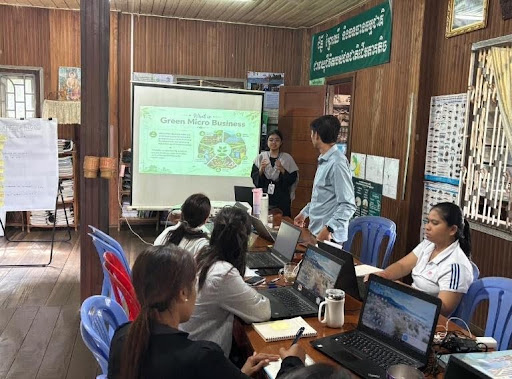
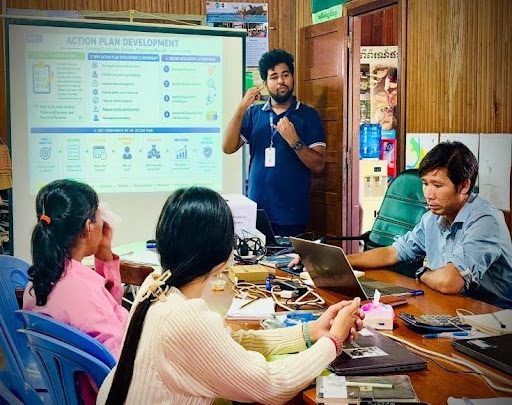
Recognizing that sustainable community development requires not only knowledge but also practical skills and innovative thinking, My Village Organization (MVi) successfully organized its Second Staff Capacity Building Training on 16 June 2026 under the Mutual Learning for Nature & People (MLNP) Project. Titled “MVi Capacity Building Training: Empowering Staff to Drive Climate Action and Sustainable Development Goals (SDGs) through Green Micro-Business Development for Local Communities, Facilitated by the Project Participants of the Social & Economic Enhancement Programme (SEEP), the training focused on transforming climate-smart ideas into practical and market-oriented solutions that can be applied to strengthen green livelihoods and community resilience in Stung Treng Province.

Unlike the first training, which introduced the foundations of climate change and sustainable development, this second session emphasized how those concepts can be translated into real community actions and Green Micro-Business opportunities. Through practical discussions and experience sharing, participants explored how renewable energy, sustainable agriculture, circular resource management, and enterprise development can work together to create environmentally responsible and economically viable livelihood models.
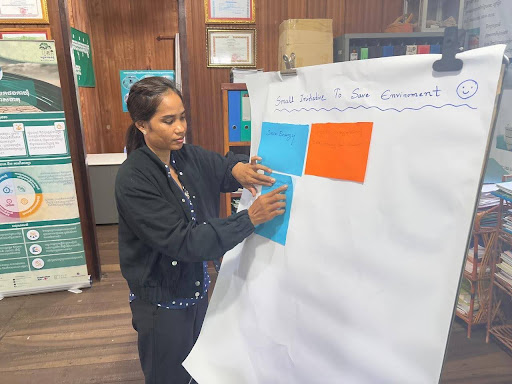
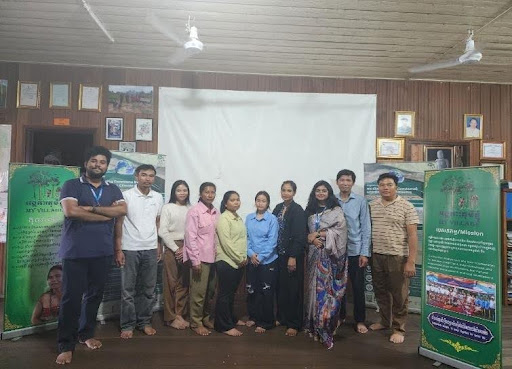
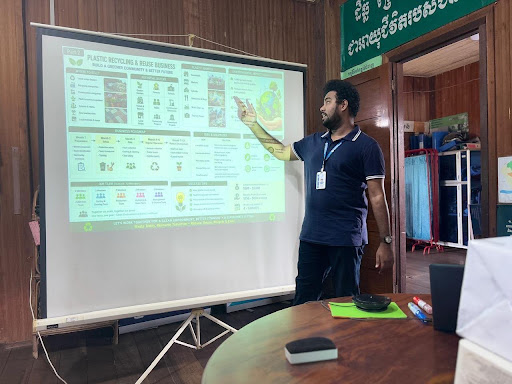
A key highlight of the programme was the introduction of renewable energy and solar panel waste management. Participants gained practical insights into responsible management of end-of-life solar panels through reuse, repair, refurbishment, and recycling, while also exploring how renewable energy technologies can contribute to reducing environmental impacts and supporting sustainable rural development. The training reinforced the importance of adopting resource-efficient practices that minimize waste and maximize the value of available materials.

The programme further demonstrated how multi-layer farming, organic farming, efficient waste management, and low-cost livestock feeding practices can improve productivity, restore soil health, conserve water, and reduce production costs. Rather than presenting these as individual technologies, the sessions illustrated how they can be integrated into climate-smart farming systems that strengthen food security and generate sustainable income for local communities. Participants were also introduced to practical business development tools, enabling them to identify local opportunities, assess available resources, and develop environmentally sustainable Green Micro-Business initiatives that respond to local needs.

To broaden participants’ understanding of enterprise development, the facilitators used the Bangladesh farming process as a practical learning model to demonstrate the complete agricultural value chain—from production planning and crop management to post-harvest handling, storage, transportation, marketing, and value addition. The training concluded by examining the opportunities and challenges of Green Micro-Business development in Stung Treng and identifying practical strategies to strengthen market access, improve business resilience, and create long-term economic opportunities through locally driven solutions.

By combining technical knowledge with practical business approaches and field experiences shared by the SEEP Project Participants, the training strengthened MVi staff’s capacity to facilitate climate-resilient, market-oriented, and environmentally sustainable livelihood initiatives. As the second staff capacity building training under the MLNP Project, the programme reaffirmed MVi’s commitment to continuous organizational learning and to equipping its staff with the knowledge and skills needed to support resilient indigenous communities and sustainable local development across Stung Treng Province.

16 Jun
Reflecting, Learning and Moving Forward: MVi Organizes Internal Knowledge Sharing and Reflection Session under the MLNP Project
Project  : Reflecting, Learning and Moving Forward: MVi Organizes Internal Knowledge Sharing and Reflection Session under the MLNP Project
Location : Stung Treng Province, Cambodia

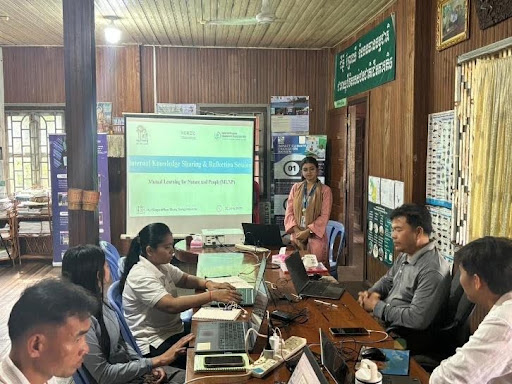
Continuous learning is essential for delivering meaningful and sustainable development outcomes. Guided by this principle, My Village Organization (MVi) successfully organized an Internal Knowledge Sharing and Reflection Session under the Mutual Learning for Nature & People (MLNP) Project, creating a platform for staff and project participants to reflect on experiences, celebrate achievements, identify challenges, and strengthen future project implementation.

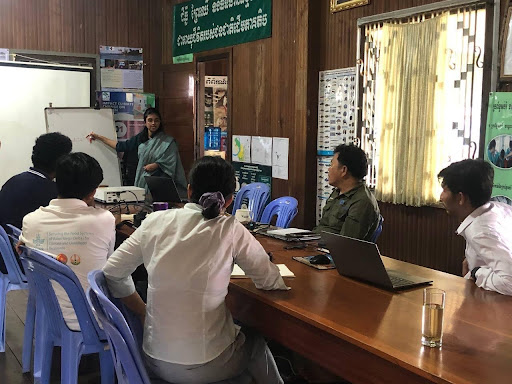
The session focused on reviewing the progress made during the first three months of the project, encouraging participants to critically examine what worked well, what challenges emerged, and how valuable lessons could be translated into improved practices. Rather than simply reviewing completed activities, the event promoted a culture of continuous learning, collaboration, and adaptive management, enabling participants to collectively identify practical solutions for enhancing programme quality and organizational performance.

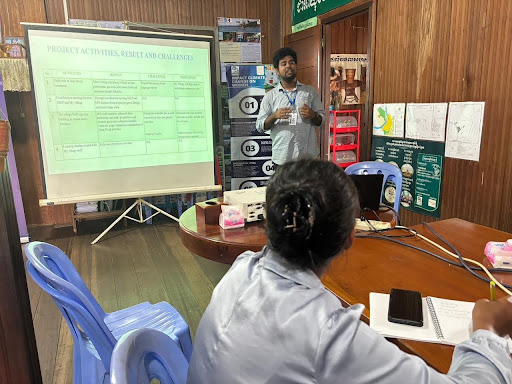
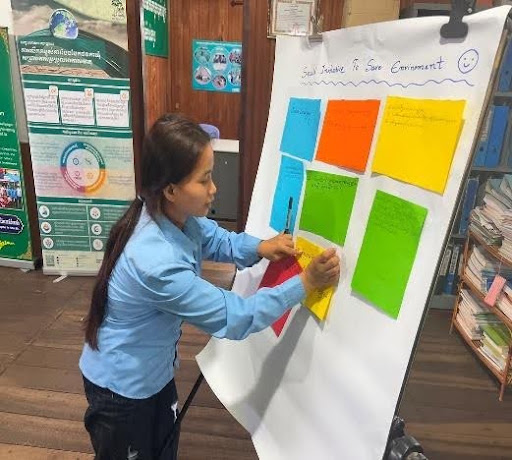
Throughout the discussions, participants reflected on key project interventions, including staff capacity-building initiatives, Green Micro-Business (GMB) development, business planning, action plan development, guideline and manual preparation, climate action, renewable energy, tools development, and climate adaptation planning. Experiences from field visits, coordination meetings, and staff training were also shared, allowing participants to connect technical knowledge with real implementation experiences and identify opportunities for further improvement.

A significant outcome of the session was the collective reflection on implementation challenges and the practical solutions adopted throughout the project’s early stages. Participants discussed issues such as language barriers, coordination, and scheduling constraints, while highlighting how teamwork, regular communication, and collaborative problem-solving helped maintain project progress. The session reinforced the value of documenting lessons learned and applying those insights to improve future interventions.

The meeting also provided an opportunity to review project implementation against the approved MLNP Project Gantt Chart, confirming that planned activities had progressed according to schedule while identifying priorities for the months ahead, including business plan development, awareness-raising activities, entrepreneur training, business monitoring, and documentation of best practices.

More than a routine review meeting, the Internal Knowledge Sharing and Reflection Session demonstrated MVi’s commitment to becoming a learning organization—one that continuously improves by listening, reflecting, and adapting. By strengthening collaboration and promoting evidence-based decision-making, the session has further enhanced MVi’s capacity to deliver climate-resilient, community-driven, and sustainable development initiatives for indigenous communities in Stung Treng Province.

MVi extends its sincere appreciation to the Project Participants of SEEP and all staff members for their active participation, openness, and commitment to mutual learning. Their collective knowledge and shared experiences continue to strengthen the partnership and contribute to the successful implementation of the MLNP Project.

16 Jun
Sharing Ideas, Building Partnerships: WorldFish Visits MVi to Explore Green Micro-Business Initiatives

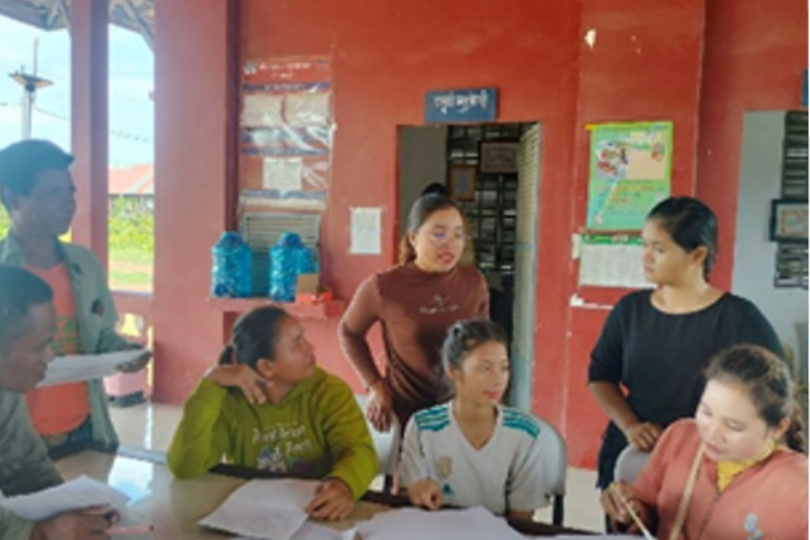
My Village Organization (MVi) recently welcomed representatives from WorldFish for a coordination and knowledge exchange meeting at its office in Stung Treng Province. The meeting provided an opportunity for both organizations to exchange experiences, discuss their ongoing initiatives, and explore areas of mutual interest in promoting sustainable and climate-resilient community development.

During the meeting, representatives from WorldFish expressed keen interest in learning about the Green Business and Green Micro-Business (GMB) ideas developed by the MLNP Project Participants. In response, the Project Participants presented a range of innovative business concepts, explaining their objectives, implementation approaches, and potential contributions to improving household incomes while promoting environmental sustainability.

The discussions highlighted several environmentally friendly business models, including climate-smart agriculture, sustainable farming systems, renewable energy applications, efficient resource management, and value-added livelihood opportunities. The Project Participants also demonstrated how these business ideas are designed to address local challenges by creating income-generating opportunities, strengthening climate resilience, and encouraging the sustainable use of natural resources.

The WorldFish representatives appreciated the innovative concepts and actively engaged in discussions on their technical feasibility, market potential, and long-term sustainability. They also shared valuable insights and practical recommendations to further strengthen the proposed business ideas and enhance their potential impact at the community level.

Beyond the exchange of ideas, the meeting reinforced the importance of collaboration, knowledge sharing, and mutual learning among development organizations. Both organizations recognized that combining local experience with technical expertise can foster more innovative, practical, and sustainable solutions for community development.

The meeting concluded with a shared commitment to maintaining close communication and exploring future opportunities for collaboration. MVi believes that such knowledge exchange initiatives not only strengthen institutional partnerships but also inspire innovation and contribute to developing environmentally sustainable, economically viable, and community-driven livelihood opportunities for the people of Stung Treng Province.

02 Jun
MVi Strengthens Staff Capacity on Climate Change and Green Micro-Business through the First Capacity Building Training under the MLNP Project
Project  : MVi Strengthens Staff Capacity on Climate Change and Green Micro-Business through the First Capacity Building Training under the MLNP Project
Location : Stung Treng Province, Cambodia
Date : 02 June 2026

As part of its commitment to strengthening organizational capacity and promoting sustainable community development, My Village Organization (MVi) organized its First Staff Capacity Building Training on 2 June 2026 under the Mutual Learning for Nature & People (MLNP) Project. Titled “MVi Capacity Building Training: Empowering Staff to Drive Climate Action and Sustainable Development Goals (SDGs) through Green Micro-Business Development for Local Communities,” the training was facilitated by the Project Participants of the Social & Economic Enhancement Programme (SEEP). The event marked the beginning of a series of organizational learning initiatives designed to enhance the technical knowledge, practical skills, and professional competencies of MVi staff, enabling them to better support climate-resilient and sustainable livelihoods within local communities.

The training aimed to enhance staff knowledge and technical capacity on Climate Change, Sustainable Development Goals (SDGs), Green Micro-Business, Cambodia’s climate context, and climate adaptation strategies. Through interactive presentations, group discussions, and experience-sharing sessions, participants strengthened their understanding of how climate change affects communities and how sustainable development approaches can contribute to building resilient livelihoods.

A key focus of the training was Green Micro-Business, where participants explored environmentally friendly livelihood options such as organic farming, tree nurseries, compost production, waste recycling, renewable energy, sustainable fisheries, and eco-friendly food processing. The sessions highlighted how these initiatives can create income opportunities while protecting natural resources and supporting sustainable local development.

Participants also learned about Cambodia’s climate history, changing rainfall patterns, rising temperatures, and the specific climate challenges facing Stung Treng Province. These discussions helped staff better understand local climate risks and identify practical adaptation measures that can be integrated into community-based development programmes.

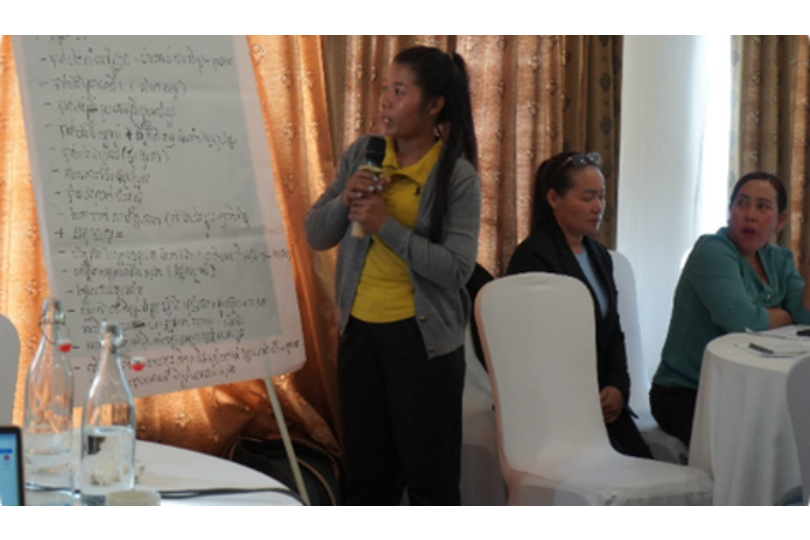
One of the most valuable aspects of the training was the peer-learning approach, where the SEEP Project Participants shared their practical experiences and lessons learned from implementing the MLNP Project. This exchange of knowledge encouraged collaborative learning, strengthened institutional capacity, and equipped MVi staff with practical insights that can be applied in future project implementation.

As the first staff capacity-building initiative under the MLNP Project, the training laid a strong foundation for future organizational learning. MVi believes that investing in staff development is essential for improving programme quality and delivering more effective, climate-resilient, and sustainable development interventions for indigenous communities in Stung Treng Province.

MVi sincerely appreciates the valuable contributions of the Project Participants of SEEP for sharing their expertise and practical experiences. Their support reflects the spirit of mutual learning that lies at the heart of the MLNP Project and continues to strengthen collaboration between partner organizations.

15 Jul
Fisheries Conservation by Community Fisheries in Mekong and its tributaries in Stung Treng, Cambodia

Donor :   Forumciv

Project : Fisheries Conservation by Community Fisheries in Mekong and its tributaries in Stung Treng, Cambodia

Date : 2021

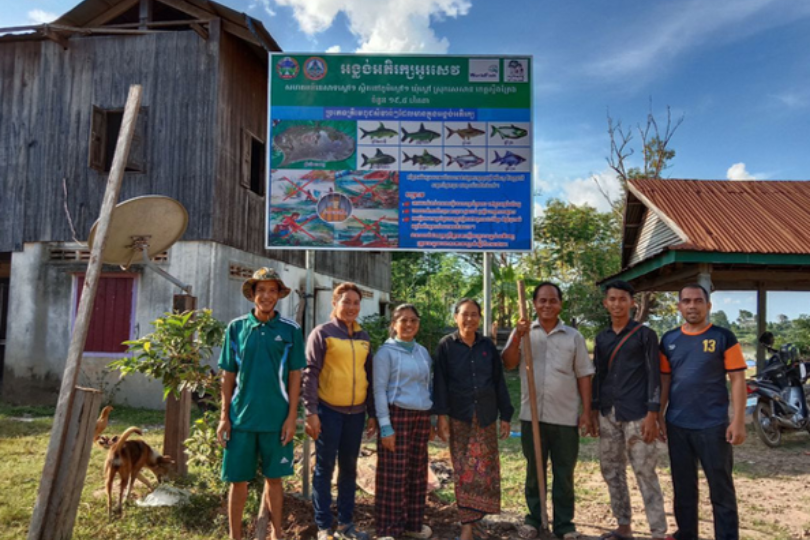
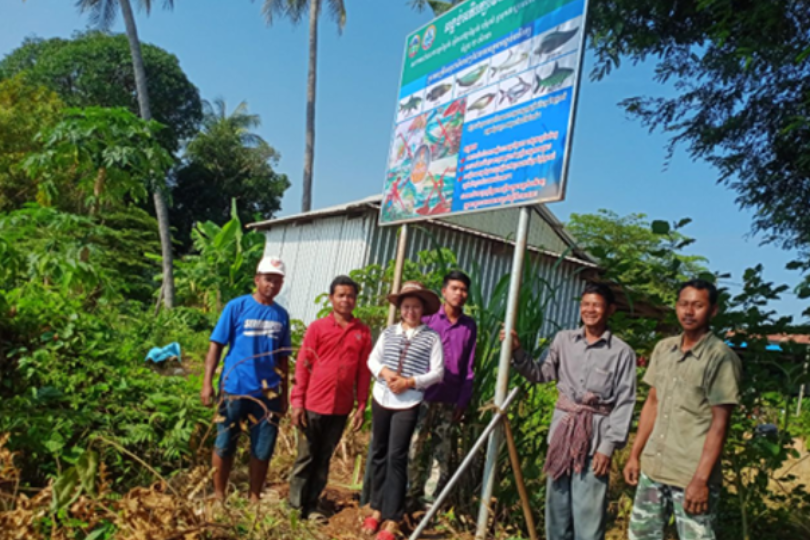
In a part of awareness raising to community members on deep pool conservation boundary, in 2021 youths collaborated with Samkhouy local authorities to install the Yay Ey deep pool conservation in Srea Tapan village, Samkhouy commune, Sesan district, Stung Treng province that it was participated from Samkhouy commune councilor, Samkhouy commune police and Srea Tapan youths representative. Under small grant, Srea Tapan CFi committee has proposed some activity to conduct the awareness raising to community members on their deep pool conservation boundary because in conservation area is not allowed for fishing if someone do the fishing in deep pool conservation will be punished by CFi committee bases on Srea Tapan by-law.

15 Jul
EMPOWERING INDIGENOUS YOUTHS IN FOREST CONSERVATION: A CASE STUDY FROM ABOUNLEU CPA

Donor :   Forumciv

Project : Fisheries Conservation by Community Fisheries in Mekong and its tributaries in Stung Treng, Cambodia

Date : 2021

In the heart of Mondulkiri’s forests, Indigenous communities face mounting threats from deforestation, illegal logging, and climate change. In response, My Village Organization (MVi) launched an initiative to empower Indigenous Women Groups (IWGs) and Indigenous Youth Groups (IYGs), nurturing their role as environmental stewards.

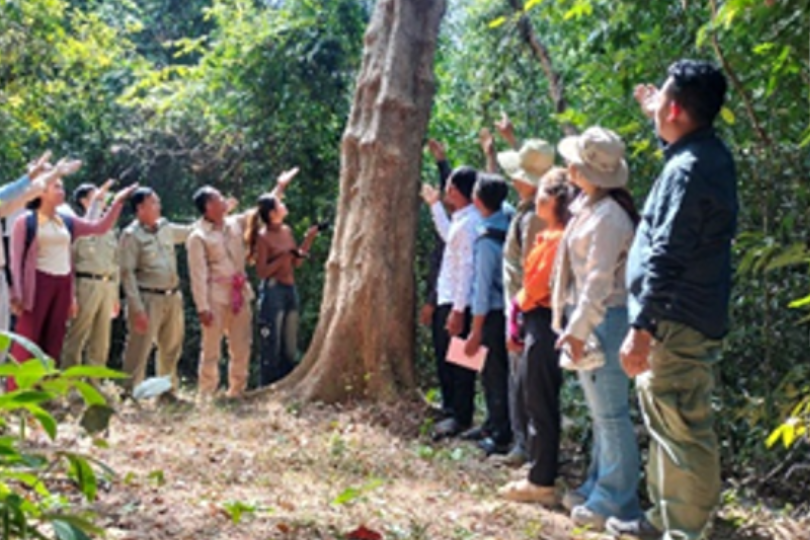
Over 50 Indigenous women and youths in the Or Boun Leu Community Protected Area (CPA) received training in sustainable forest management, GPS tracking, and data collection. These efforts enabled 52 forest patrols, uncovering 33 illegal logging incidents and dismantling 64 wildlife traps. Beyond enforcement, the project built capacity, igniting youth leadership and integrating traditional knowledge with modern conservation strategies.

“I don’t just see trees—I see it as my future, my IP culture, and my home,” shared 24-year-old Sy Soktho, an IYG member and CPA Committee representative. Through hands-on forest patrols and school-based outreach, Soktho and her peers helped raise awareness on biodiversity, responsible land use, and climate change adaptation, linking generations through shared responsibility.

The Enhancing Indigenous Youth and Indigenous Women Participation in Community Protected Area Forest Monitoring and Climate Change Adaptation in Mondulkiri Project (EIPCC) promoted trust and collaboration between communities and local authorities. It ensured that Indigenous voices shaped conservation efforts, preserving both ecological integrity and cultural heritage.

Community members like Mr. Sat Sot, a senior CPA representative, expressed deep pride in the youth-led transformation: “Seeing our youth and women take the lead gives me great hope. Conservation is not just a responsibility—it’s a way of life.”

15 Jul
INCLUSIVE GOVERNANCE IN ACTION: Indigenous Women Shaping Local Development

Historically sidelined from governance, Indigenous communities in Mondulkiri, Cambodia, are now reclaiming their seat at the policy table discussion. This transformative initiative was supported by My Village Organization (MVi). Through the Enhancing Indigenous Youth and Indigenous Women Participation in Community Protected Area Forest Monitoring and Climate Change Adaptation (EIPCC) project, over 50 Indigenous women and youth were trained in policy literacy, advocacy, and strategic dialogue with local authorities.

I vividly remember my first commune meeting—where my voice didn’t just echo, it mattered. This wasn’t symbolic inclusion; it led to real change. As a result of our active participation, 100% of targeted Commune Investment Plans (CIPs) now integrated Indigenous priorities like forest protection and climate resilience.

One powerful voice in this transformation is Ms. Khe Sreypin, a 27-year-old member of O’Nglav Community Protected Area (CPA) Committees, who declared, “When decisions about my land are made, I must be at the discussion table, not just watching from the sidelines.” Her leadership helped move CPA plans from community discussion to official policy.

This initiative didn’t just influence documents—it sparked a cultural shift. Dialogue between Indigenous communities and commune councils became more transparent and equitable. Women and youth are now decision-makers, not observers, and their perspectives inform every stage of development.

Mr. Man Ream, commune chief of Sray Huy, affirmed this evolution: “Today, CPA members, especially women, are actively engaged in CIP processes, ensuring our forests are protected for future generations.”

15 Jul
RESILIENCE AFTER RESETTLEMENT: THE LEADERSHIP JOURNEY OF MRS. DON CHORVY

In Srea Sronuk village of Stung Treng province, Mrs. Don Chorvy stands as a powerful symbol of resilience and advocacy. Following the resettlement of her community due to the Srea Pok III hydropower dam, she emerged as a key voice for those grappling with the aftermath of large-scale development.

Resettlement brought profound disruption. Families faced inadequate housing, school closures, teacher shortages, and limited access to health services. The community also lost forested areas, vital wildlife habitats, and parts of their ancestral culture. Fishing became difficult due to sedimentation and degraded water quality, while changes in the river’s regime led to declines in fish species. These shifts fractured community unity and deepened economic insecurity.

Despite these hardships, Mrs. Chorvy transformed adversity into action. With support from My Village Organization (MVi) and other networks, she received capacity-building and technical training that enhanced her leadership skills. Her advocacy gained national visibility when, in December 2024, she participated in a national forum to share lived experiences of displaced women and families along the Sesan River.

Her testimony resonated. By clearly articulating the gendered impacts of resettlement, Mrs. Chorvy encouraged dialogue among stakeholders and authorities. As a result, several key concerns raised by the community—particularly relating to education, livelihoods, and cultural preservation—received renewed attention and commitments for redress.

Today, Mrs. Chorvy’s transformation from a displaced villager to an influential community leader exemplifies the power of grassroots leadership in shaping equitable development. Her journey demonstrates the importance of giving women space, support, and platforms to participate meaningfully in decision-making processes—especially in the context of development projects that fundamentally alter lives. Her voice continues to guide Srea Sronuk toward a more inclusive and resilient future.

15 Jul
FROM HESITATION TO LEADERSHIP: A WOMAN’S VOICE IN WATER GOVERNANCE

In Koh Snaeng village, nestled along the Mekong River, 26-year-old fisherwoman Mrs. Korn Samdorn once lived quietly, her daily life shaped by the river’s rhythms. Like many women in her community, she had never participated in public discussions or development activities—until the My Village Organization (MVi) introduced a project grounded in Feminist Participatory Action Research (FPAR).

Initially hesitant, Mrs. Samdorn was invited to attend an FPAR workshop where she discovered the value of her lived experiences. “I never imagined my thoughts as a woman fisher could shape decisions. But the facilitators made me feel heard,” she recalled.

That experience sparked transformation. Mrs. Samdorn became an active member of the community research team, documenting changes in fish populations, water levels, and ecological trends. Group discussions with women and youth leaders revealed shared challenges—declining fish stocks, polluted waterways, and limited access to clean water. Together, they identified root causes and co-created solutions.

Through the project, Mrs. Samdorn gained the confidence to speak up at community meetings and engage with local authorities on water resource governance. “Before, I stayed silent. Now, I know my voice matters,” she said. She began sharing research findings at sub-national workshops in Kratie and Stung Treng, amplifying the concerns of women fishers across the region.

Through the project, Mrs. Samdorn gained the confidence to speak up at community meetings and engage with local authorities on water resource governance. “Before, I stayed silent. Now, I know my voice matters,” she said. She began sharing research findings at sub-national workshops in Kratie and Stung Treng, amplifying the concerns of women fishers across the region.

Mrs. Samdorn’s evolution—from isolated voice to respected advocate—reflects the transformative power of inclusive approaches like FPAR. By centering the perspectives of women, youth, and Indigenous Peoples, the initiative has not only strengthened local water governance but also sparked personal empowerment.

Her story serves as a testament to what’s possible when marginalized voices are invited to lead. From monitoring river changes to influencing policies, Mrs. Samdorn now helps shape a future where every woman’s perspective can guide sustainable water management.

15 Jul
EMPOWERING WOMEN IN FISHERIES: MRS. SEN SOVAN’S JOURNEY TO ECOLOGICAL LEADERSHIP

In O’Rey village of Thala Borivat District, Stung Treng Province, Mrs. Sen Sovan—once a quiet fisherwoman balancing household responsibilities—has become a prominent leader in community-based fisheries management.

Encouraged by her local Community Fisheries Committee, Mrs. Sovan stepped into a training role, sharing knowledge about integrating fish ecology into local fisheries management. But her path wasn’t easy. Like many women in rural Cambodia, she faced significant barriers—limited formal education, domestic expectations, lack of confidence, and gender-based discrimination.

Support from My Village Organization (MVi) and Oxfam proved transformative. Through capacity-building workshops, forums, and leadership training grounded in fish ecosystem management, Mrs. Sovan gained technical skills and the confidence to lead. She participated in planning signage for protected areas, conducted awareness-raising sessions on ecosystem-based fisheries, and helped coordinate the integration of ecological principles into the community’s fisheries project.

Her efforts extended beyond training. She facilitated community planning meetings to identify equipment needs for conservation, championed women’s participation in resource governance, and mentored younger women to take part in local decision-making processes.

“I urge all women to have courage,” she said. “Even if there’s no income, our voices deserve space in community work. Together, we must care for our fisheries—for sustainability and for our children.”

Today, Mrs. Sen Sovan’s story illustrates how women’s leadership, when nurtured through inclusive support, can reshape natural resource management. Her journey stands as a testament to the power of grassroots action, local wisdom, and gender equity in achieving sustainable development.

This site is registered on wpml.org as a development site.